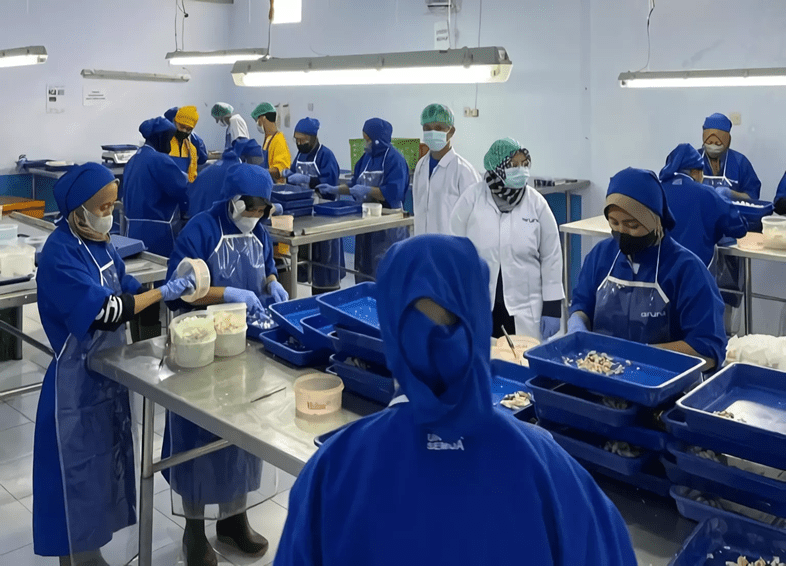
Image 1 : Aruna’s business model has succeeded in increasing fishermen’s income up to 12 times compared to conventional methods that often depend on local middlemen | Source: aruna.id
The limitations of fishermen’s fishing technology, such as simple fishing gear, result in limited and seasonally-dependent catches, so their incomes are often low, especially during seasons with rough weather or in situations when fish are hard to come by. Fishermen with little capital are forced to work as laborers with an unfair profit-sharing system, where they only get a small portion of the larger catches for the equipment owners. Those without their own fishing gear must rely on borrowing capital from fish traders, who often require them to sell fish at lower than market prices. Efforts to improve their conditions are constrained by limited capital, which keeps fishers trapped in poverty. This condition exacerbates the economic gap between fishermen and capital owners, creating a cycle of poverty that is difficult to break due to dependence on external capital and sub-optimal fishing equipment.
Aruna Indonesia, or PT Aruna Jaya Nuswantara, is an integrated fisheries startup based in Jakarta. Founded in 2016 by Utari Octavianty, Indraka Fadhlillah, and Farid Naufal Aslam – three Telkom University Bandung graduates with a coastal cultural background – Aruna focuses on creating a fair and sustainable fisheries trading ecosystem. By empowering small-scale fishermen and connecting them to global markets using technology, Aruna has become one of the major players in Indonesia’s fisheries industry.
By the end of 2022, Aruna had established 180 operational locations in 31 provinces, involving more than 40,000 fishermen. Aruna’s business model has succeeded in increasing fishermen’s income by 12 times compared to conventional methods that often rely on local middlemen. In 2020, the company’s revenue increased 86-fold, driven by a surge in global demand during the COVID-19 pandemic and through 2023, had successfully reached premium markets, including Japan, the United States, and Europe, strengthening its position in the international market.
Aruna optimizes the supply chain by cutting out intermediaries that can usually include 5-6 parties for a single catch. Through Aruna’s digital platform, fishermen can directly sell their hauls to buyers. This not only improves distribution efficiency but also ensures fishermen get more competitive prices.
Technological innovation is at the core of Aruna’s strategy, and includes:
- B2B and B2C platforms: Connecting fishermen with global and domestic buyers via the Seafood by Aruna Platform that served more than 100,000 transactions by 2023, with 35% growth compared to the previous year.
- IoT integration: Monitoring product quality, mapping fishing seasons, assisting logistics planning, and increasing farm efficiency by 25%.
- Fisheries Data Mapping: Identify potential regions, fishing seasons, and trade patterns.
Aruna is also conducting a public relations initiative that promotes fish as a sustainable source of protein through the “Protein Revolution” campaign and the Seafood by Aruna platform, which makes it easier for consumers to get quality seafood at affordable prices.
Aruna also has a strong commitment to the implementation of ESG (Environmental, Social, Governance) principles. In the environmental aspect, the company helps manage fishery waste by turning it into value-added products such as organic fertilizer and animal feed, with more than 500 tons of treated waste by 2022, and runs environmentally friendly lobster farming that increases production by 20% and reduces water consumption by 15%.
On the social front, Aruna empowers more than 40,000 fishermen, tripling their income, and promotes gender equality with a 25% increase in female workers by 2022 and an equal pay policy. Aruna has established strategic partnerships to improve fisheries resource management by training 20,000 fishermen in collaboration with the Ministry of Maritime Affairs and Fisheries and the company also supports financial inclusion by providing banking access to more than 12,000 fishermen through cooperation with local financial institutions.
In terms of governance, Aruna implements transparent ESG reporting, with social contributions amounting to IDR 20 billion by 2022, and uses blockchain technology to ensure supply chain transparency that increases global partner trust and drove a 15% increase in export volume by 2023.
Aruna has proven that technology can be a solution to structural challenges in the fisheries sector. By empowering more than 40,000 fishermen across Indonesia, improving supply chain efficiency, and expanding access to global markets, Aruna creates significant social, economic, and environmental impacts. Going forward, Aruna is committed to strengthening the sustainable fisheries ecosystem through ESG-based innovation. With the vision of making Indonesia the center of the world maritime economy by 2045, Aruna will continue to lead the transformation of an inclusive and sustainable fisheries sector.
References:
https://www.techinasia.com/aruna-wins-55m-funding-indonesias-fisherfolk-thrive
Masyuri, I. (2003). Kemiskinan Dalam Masyarakat Nelayan. Jurnal Masyarakat dan Budaya.


 Scorpa's Tech @ Sea
Leave a comment