LATEST
-
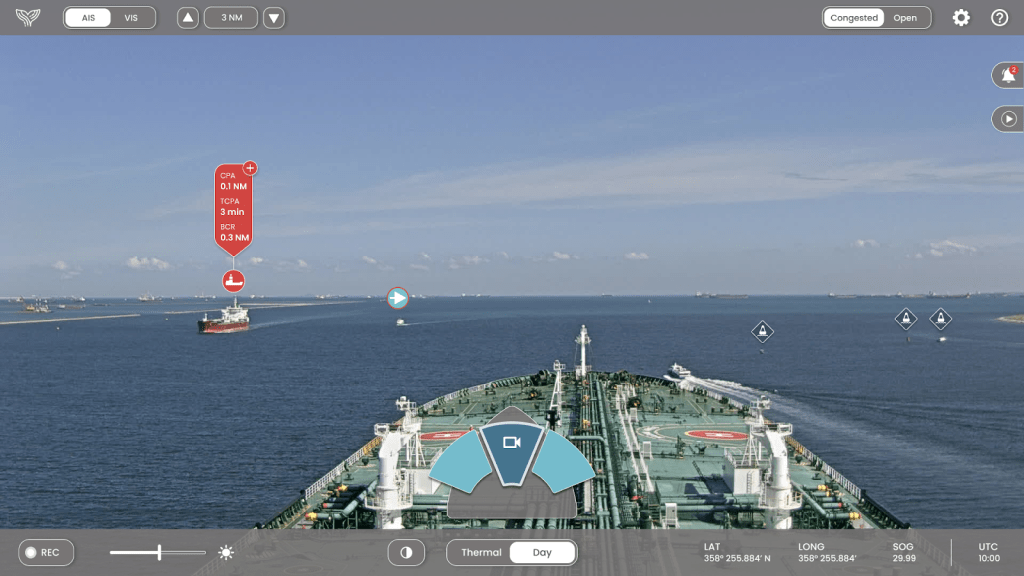
Orca AI: Transforming Maritime Safety and Efficiency with AI-Powered Vision
In a sector where human error remains the leading cause of maritime accidents, Israeli startup Orca AI is redefining the navigation experience by introducing artificial intelligence (AI) and computer vision to the heart of vessel operations.
-

Seafair: The All-in-One Crew Management Software Revolutionizing Maritime Operations
Shipping companies and maritime HR teams face several critical challenges in traditional crew management and recruitment processes. These include:
-

DBX Commodities: Harnessing Satellite & AI Insights to Illuminate the Dry-Bulk Maritime Commodity Chain
Maritime dry-bulk commodity trading covering coal, iron ore, bauxite, agriculture, steel, is historically opaque and lagging. Traders are saddled with partial data: customs filings, delayed national statistics, or narrow vessel tracking, leaving critical time gaps…
-
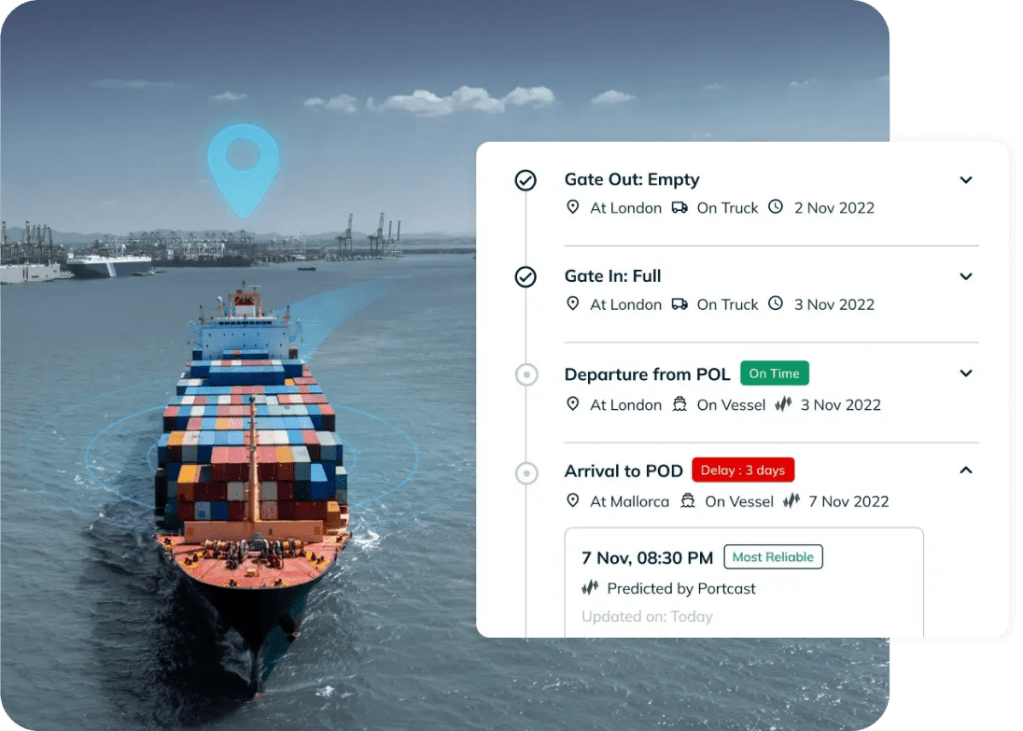
Portcast: Navigating the Future of Maritime Supply Chain Visibility
In today’s global maritime logistics, shippers, freight forwarders, and supply chain managers face upheavals from unpredictable port congestion, extreme weather, carrier delays, and fragmented data sources. Traditional tracking spreadsheets, manual lookups…
-
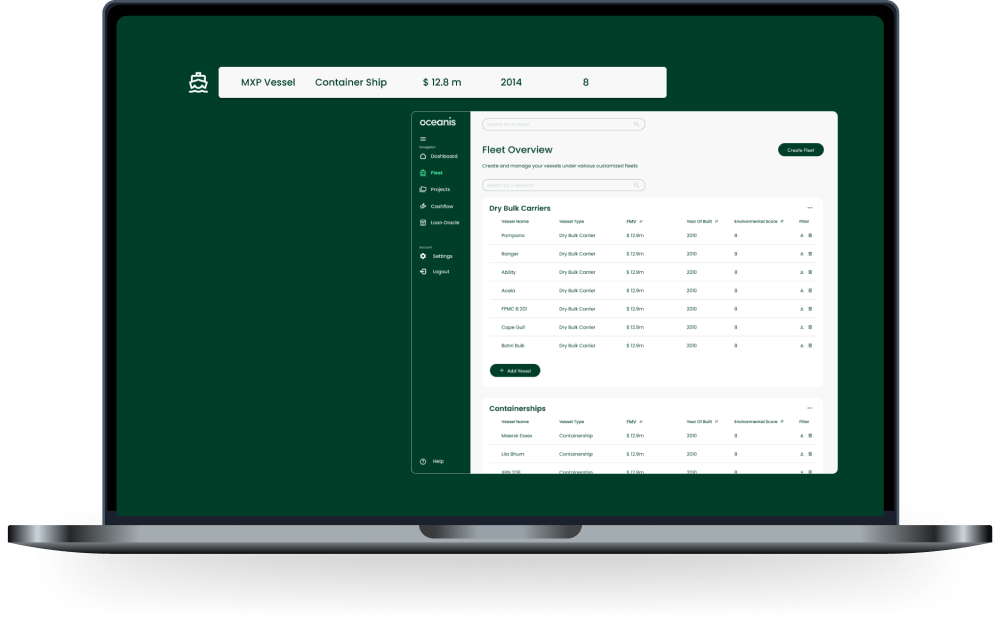
Oceanis Tech: Pioneering Digital Innovation in Ship Finance
The global shipping industry is notoriously fragmented and opaque particularly in financing. Smaller ship-owners often face difficulty accessing diverse funding. Financiers, in turn, lack standardized insights…
-
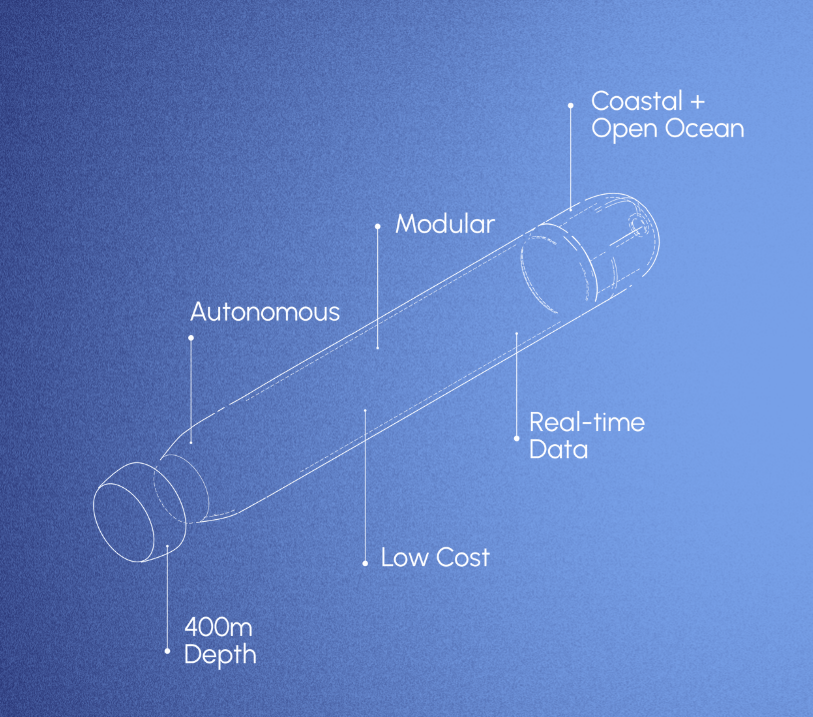
Apeiron Labs – Scaling Autonomous Upper-Ocean Sensing via “Tensor” Platform
Despite the critical importance of ocean data across industries from climate science and weather forecasting to maritime security and offshore energy, scientists and analysts face major pain points due to the limitations of existing ocean observation methods…
 Scorpa's Tech @ Sea