LATEST
-
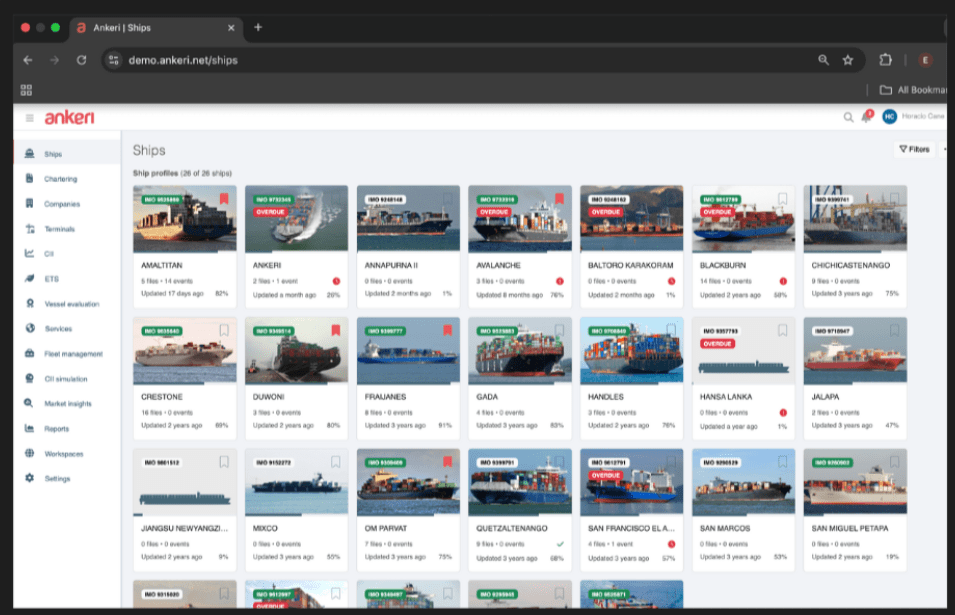
Ankeri: Bridging Commercial and Technical Silos in Maritime Data
Despite a decade of digitalization promises, much of the maritime industry still runs on spreadsheets, PDFs, and disjointed systems. As pressure mounts to cut emissions, optimize fleets, and comply with tightening regulations, data fragmentation is emerging as a silent threat; one that hinders not only compliance but also …
-
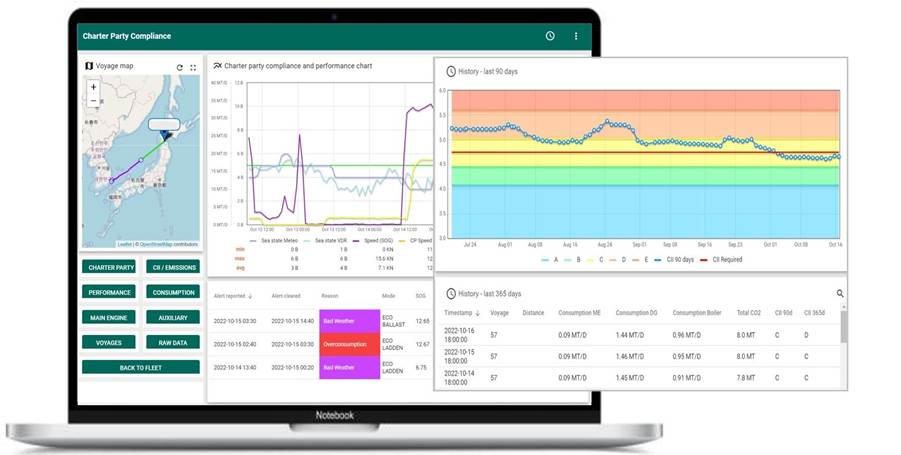
EyeGauge: The smart way to make analog ships smart
The maritime industry, responsible for transporting close to 90% of global trade, faces mounting pressure to decarbonize and digitize. Yet, the sector grapples with outdated, analog…
-

Octobotics Tech: Revolutionizing Maritime and Offshore Inspections with AI-Driven Robotics
The maritime and offshore industries grapple with the challenges of inspecting and maintaining valuable assets like ships, oil rigs, and subsea pipelines. Traditional methods often involve manual inspections, which are time-consuming, hazardous, and costly. With the advancement of AI and robotic technologies…
-
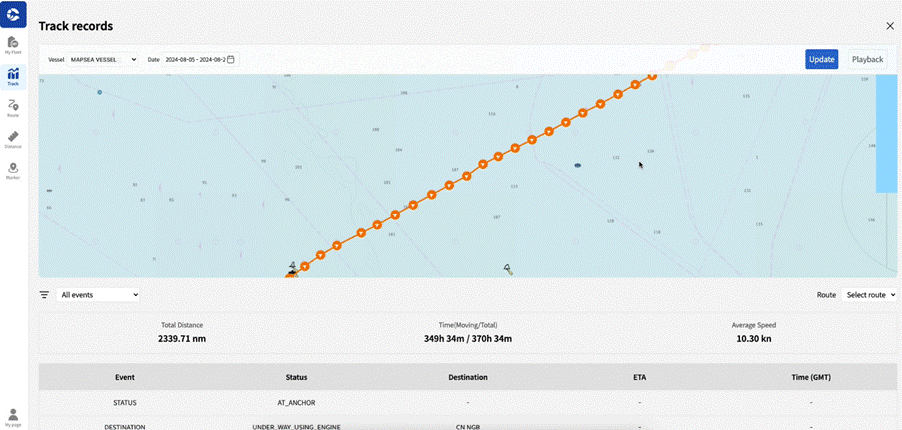
Mapsea: Revolutionizing Maritime Navigation for a Safer, Smarter, and Greener Future
The maritime industry has long faced challenges related to navigational safety, operational efficiency, and environmental sustainability. Traditional navigation systems often rely on outdated data, leading to inefficiencies and increased risks. With over half a million vessels operating….
-

MagicPort: The AI-Powered Platform Transforming Ship Operation
The maritime industry has long been a holdout against digital transformation, clinging to outdated processes and inefficient workflows. But that’s changing fast. One company leading the charge is MagicPort- https://magicport.ai – a Singapore-based startup leveraging…
-

R.U.D.R.A Cybersecurity: Fortifying Maritime Cybersecurity
2017 NotPetya attack on Maersk brought the industry to attention, costing the company over $300 million and disrupting port operations globally. Since then, attacks have only grown more …
 Scorpa's Tech @ Sea