LATEST
-

Strengthening Maritime Security: Vanguard Technology’s Comprehensive Solutions
The maritime industry has long been plagued by challenges such as market fluctuations and changes in fuel prices, piracy, migration issues, narcotics trafficking, stowaways, incidents related to war, and environmental concerns such as mammal movements, which can lead to significant financial losses, operational disruptions, and safety hazards.
-
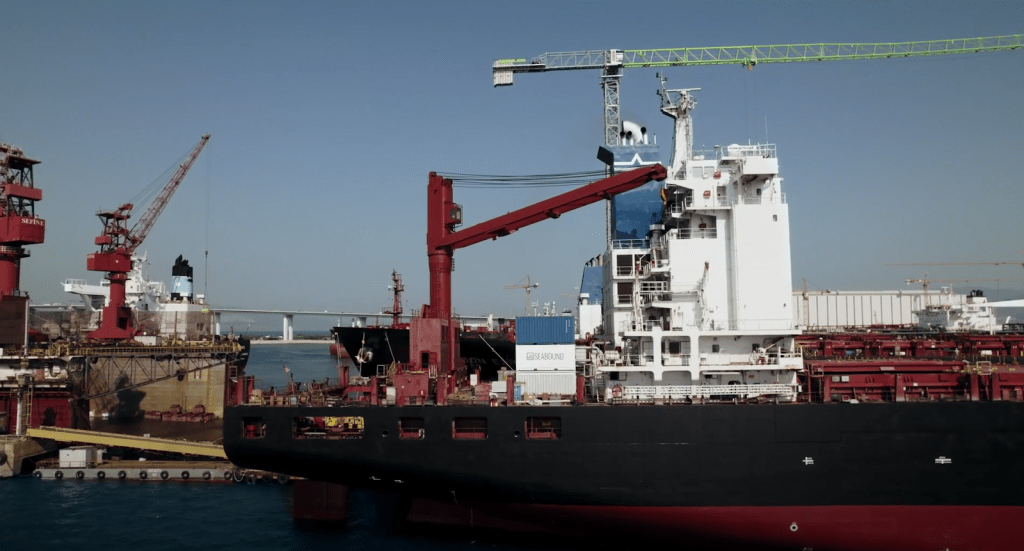
Seabound Technologies’ take on Carbon Capture for shipping
With the shipping sector contributing approximately 3% of global CO₂ emissions, the need for effective emission control solutions is critical. As global regulations tighten and stakeholders increasingly demand sustainable practices, start-up Seabound offers an innovative onboard carbon capture system designed specifically for ships.
-
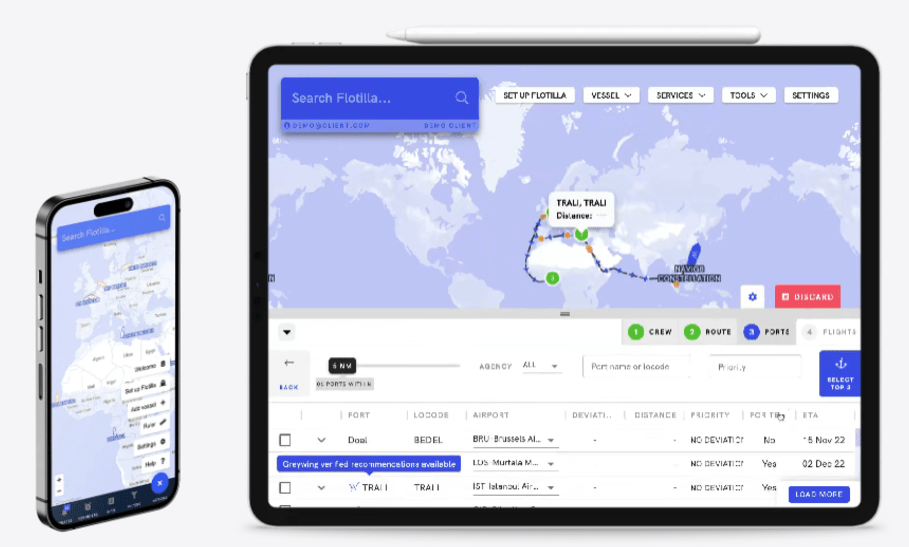
Greywing: Drawing Insights into Maritime Operations with Conversational AI
The maritime industry today is at a pivotal juncture, grappling with rising operational complexities, environmental pressures, and the need for optimized efficiency. In response to these challenges and in line with the times, digitalization has become a key initiative for shipping companies large and small.
-

Kappal: A Comprehensive Digital Solution for Seamless International Shipping
The logistics sector faces numerous challenges, including managing complex supply chains, unpredictable disruptions (such as global geopolitical crises and weather events), and rising operational costs. Companies are also under pressure to meet demands for faster delivery, real-time tracking, and transparent pricing,
-

ZeroNorth: Accelerating Efficiency and Sustainability in Shipping Operations
As the maritime sector faces increasing environmental regulations and tighter emission targets, companies are exploring solutions to balance sustainability with operational efficiency and commercial goals. With these needs in mind, platforms that can support both short-term and long-term climate strategies have attracted much industry interest.
-
Can Awake.AI Implement Smart Port Solution for Logistics Efficiency?
Maritime transportation plays a crucial role in global trade, with almost 90% of international trade relying on this sector, as reported by the International Maritime Organization (IMO). Around 70% of this figure involves short-distance transportation, highlighting the importance of …

