LATEST
-
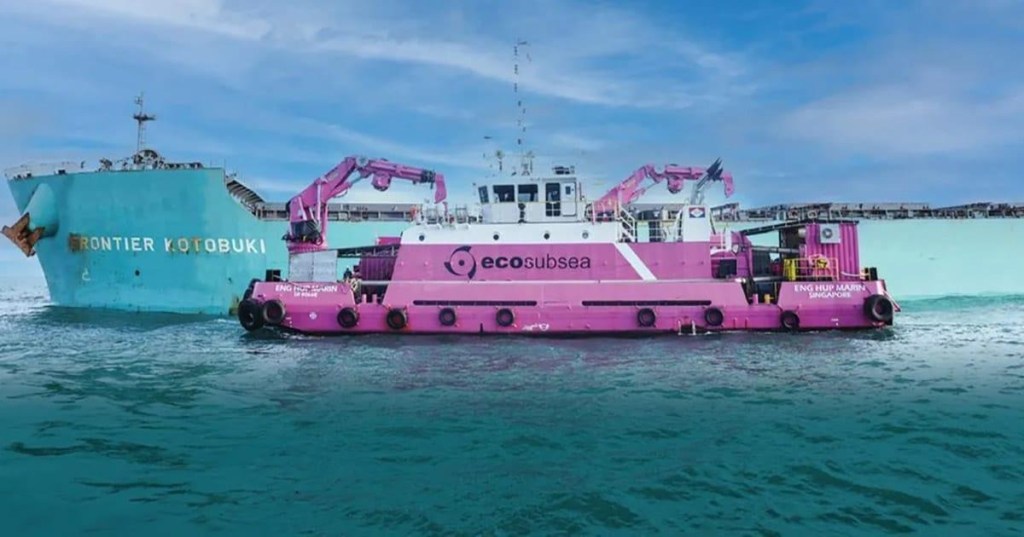
ECOsubsea: Pioneering Sustainable Hull Cleaning for a Greener Shipping Industry
For the global shipping industry, maintaining a clean vessel hull is a critical yet challenging operational requirement. The natural accumulation of marine life, known as biofouling, creates significant hydrodynamic drag, forcing ships to burn more fuel to maintain speed. This directly leads to…
-
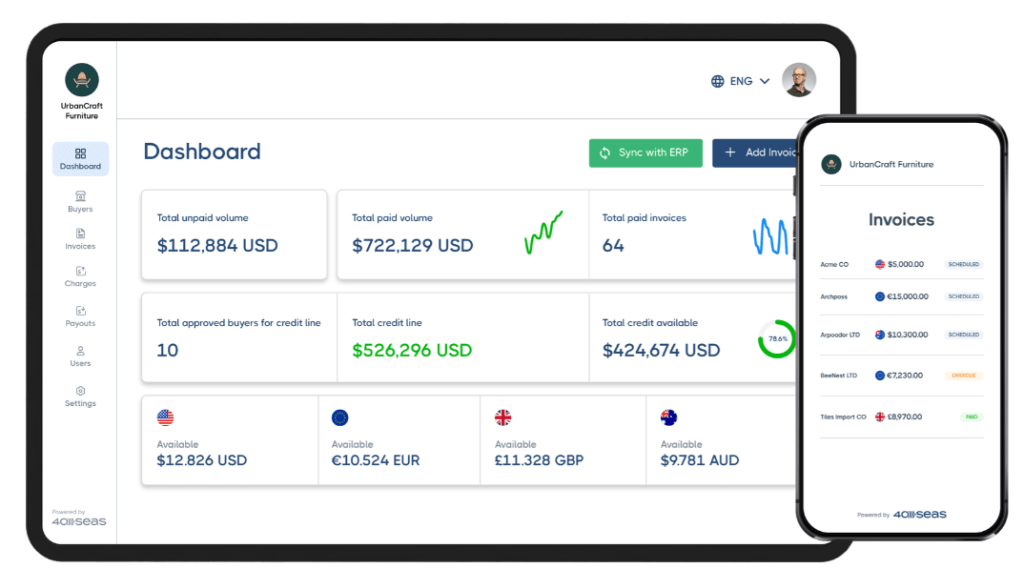
40Seas: Pioneering “Order Now, Pay Later” for B2B Global Trade Finance
For SMEs involved in cross-border trade, shipping isn’t just about logistics it’s also a cash flow crisis waiting to happen. Once goods are shipped, suppliers often wait 30, 60, or even 90 days to get paid, locking up working capital at a critical time. Importers, on the other hand, must often pay large sums upfront…
-
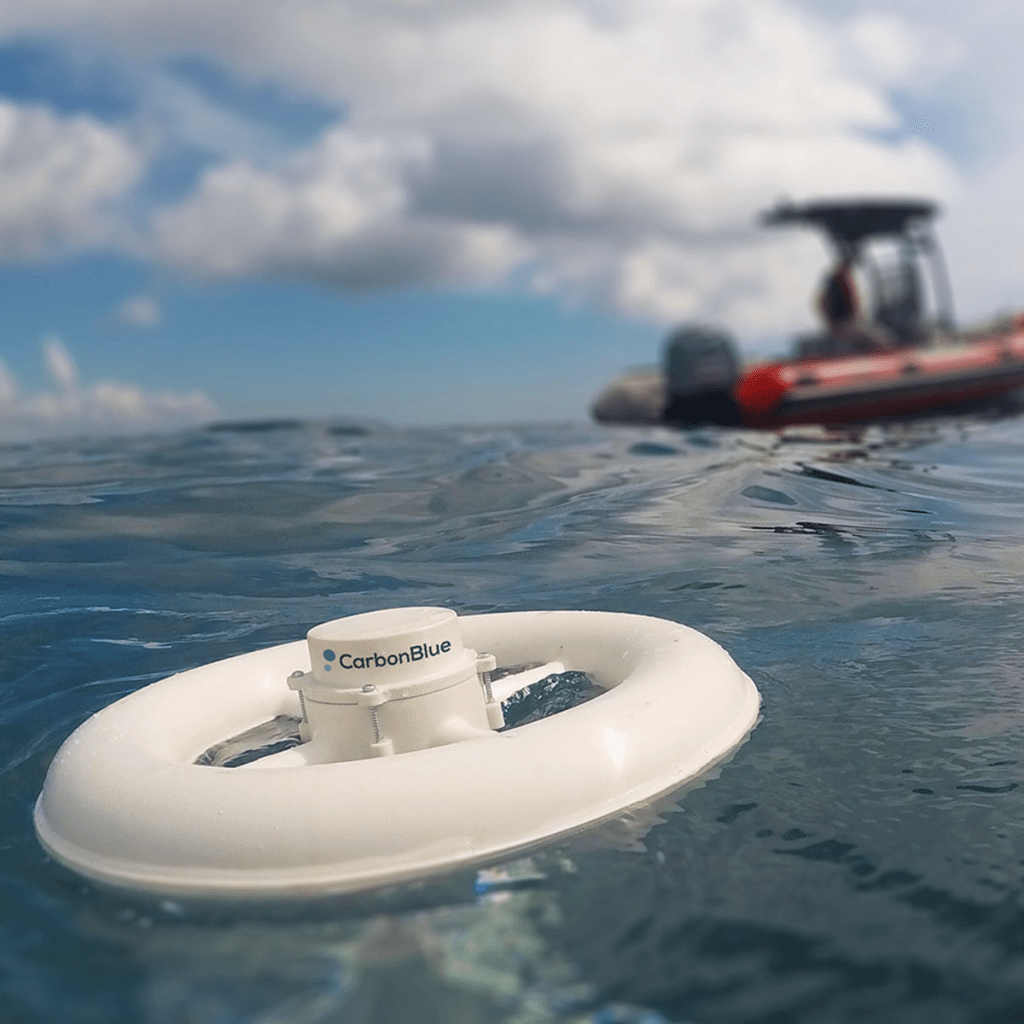
CarbonBlue: Pioneering Water-Based Carbon Dioxide Removal Through Industrial Integration
The maritime industry is under increasing regulatory and environmental pressure to decarbonize not only at sea but also across its land-based infrastructure, including ports, terminals, and desalination facilities that…
-
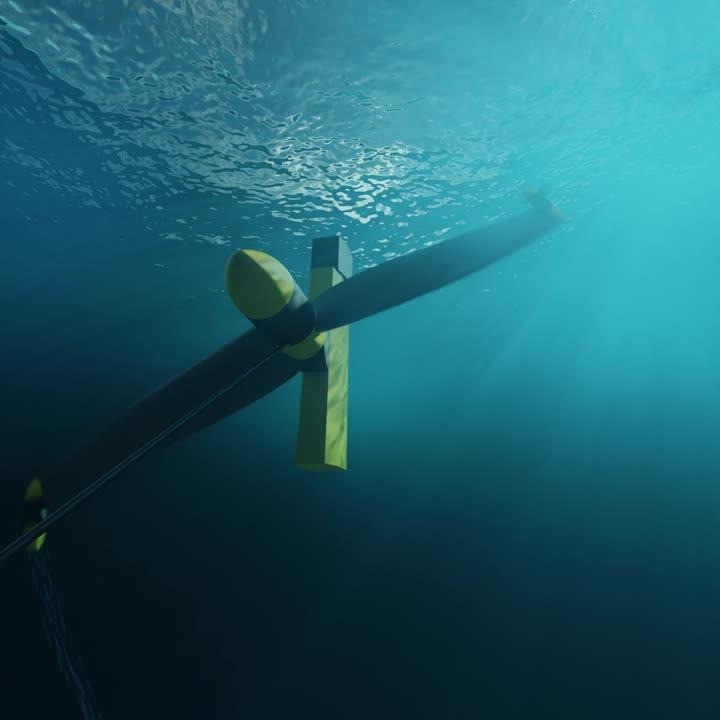
Equinox Ocean Turbines: Pioneering Ocean-Current Energy for 24/7 Clean Power
As the global energy transition accelerates, renewable sources like solar and wind dominate installations but their inherent intermittency creates challenges for grid stability and continuous power supply. Coastal and
-
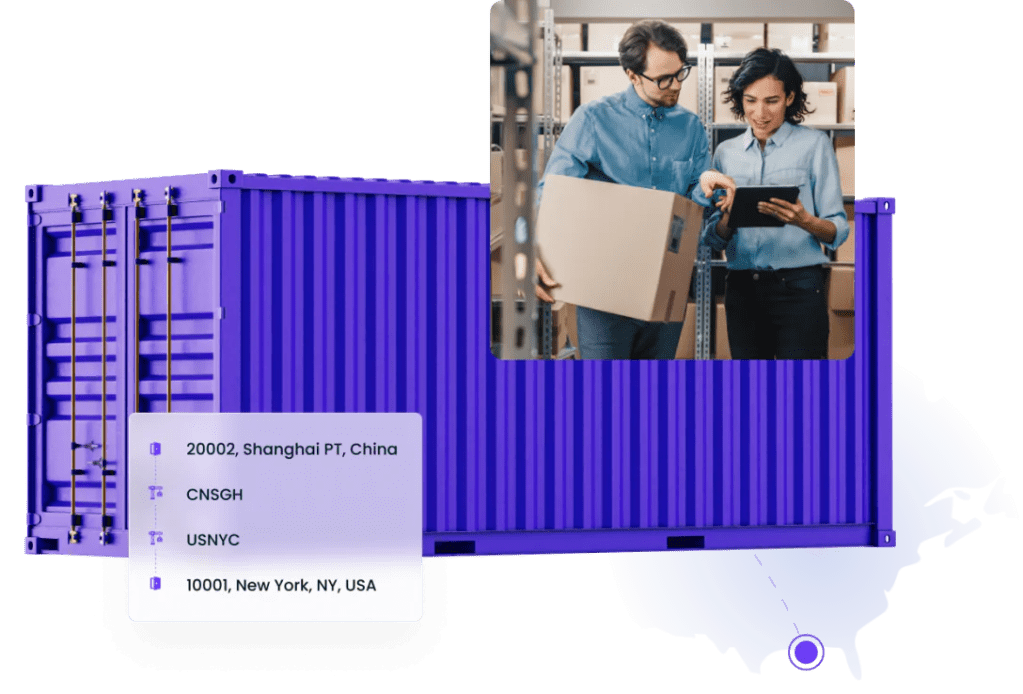
Ship4wd: Digitizing Freight Forwarding to Empower SMBs in Global Maritime Logistics
Image Credit: ship4wd.com Global shipping, particularly ocean freight, plays a pivotal role in cross-border trade. Yet the freight forwarding industry has long been plagued with legacy systems, opaque pricing, fragmented documentation flows, and limited access for small and medium-sized businesses (SMBs). Traditional freight forwarding often forces SMBs to navigate convoluted logistics processes, prepay for services,…
-
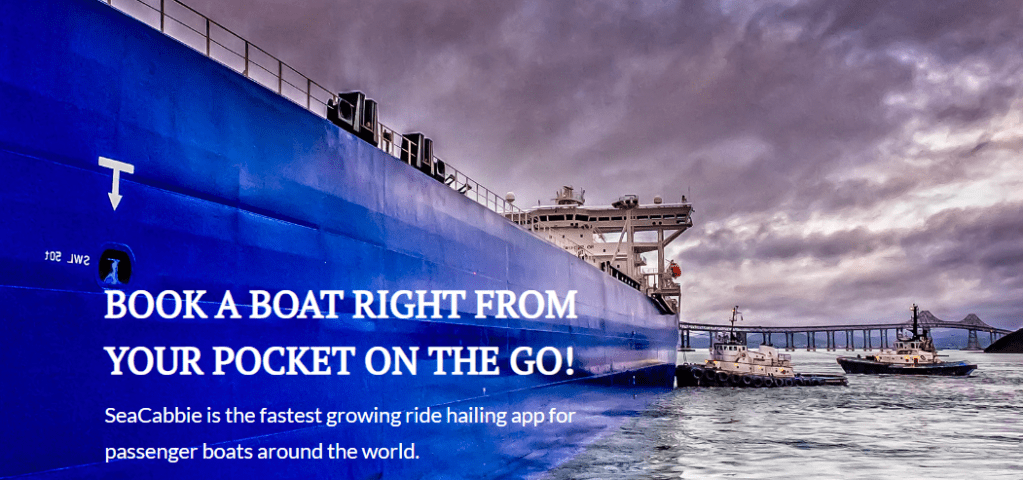
SeaCabbie: Revolutionizing Maritime Transit with On-Demand Passenger Boat Hailing
For decades, maritime professionals including crew members, shipping agents, and port staff have faced significant inefficiencies in booking launch or tender boats. The traditional system relies heavily on manual processes such as phone calls, paper logs, and…
 Scorpa's Tech @ Sea