LATEST
-
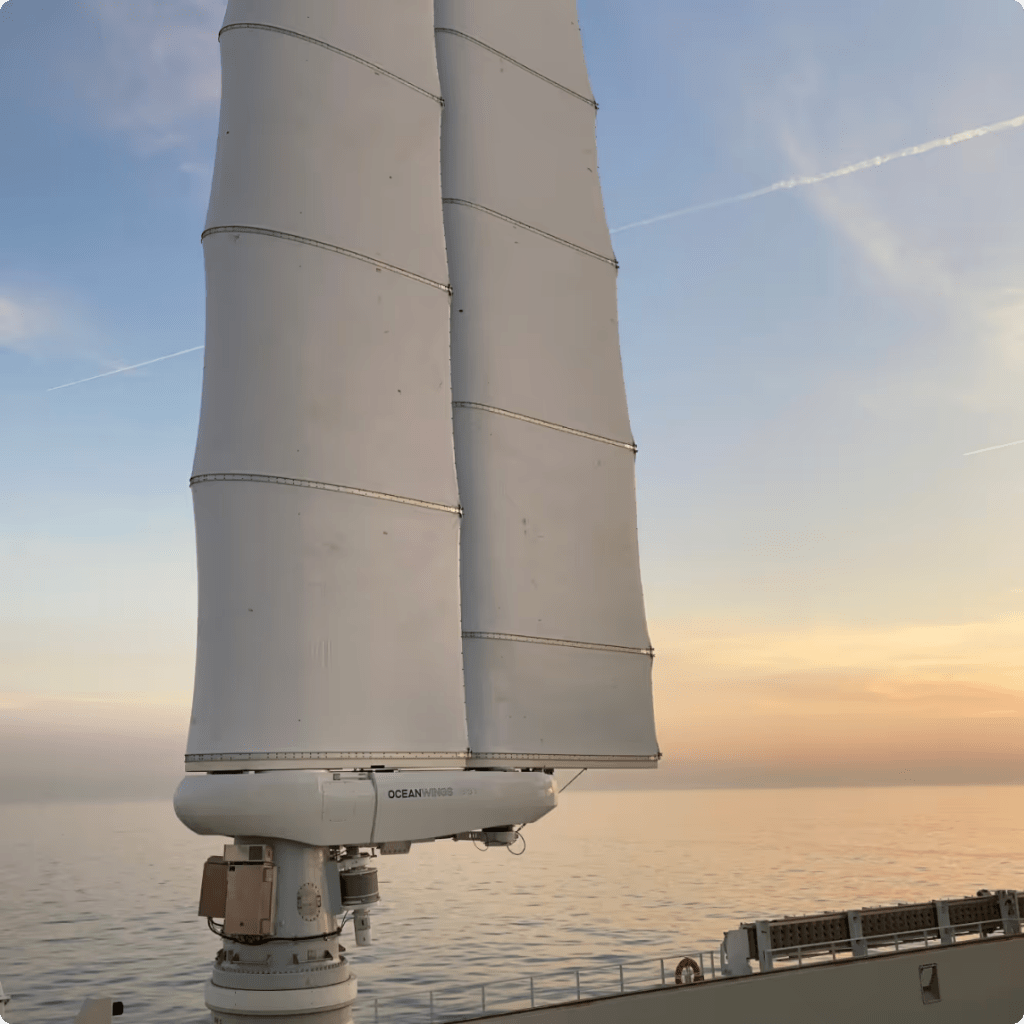
OceanWings: Wind-Propulsion for Decarbonizing Maritime Transport
The shipping industry carries about 90% of global trade by volume and is responsible for a substantial share of global CO₂ emissions. Without intervention, shipping could account for up to ~17% of human CO₂ emissions by
-

VI-WATT: Turning Global Shipping’s ‘Hotel Loads’ Into Dynamic Thermal Storage
As the global shipping industry grapples with the International Maritime Organization’s (IMO) stringent new carbon intensity mandates, a Spanish green-tech startup is proposing an elegant, low-cost solution to …
-

BlueNav: Hybrid-Electric Motorization for a Greener Maritime Future
Marine vessels powered by internal combustion engines (ICE), whether outboards or inboards, contribute significantly to greenhouse gas emissions, underwater noise pollution, and
-
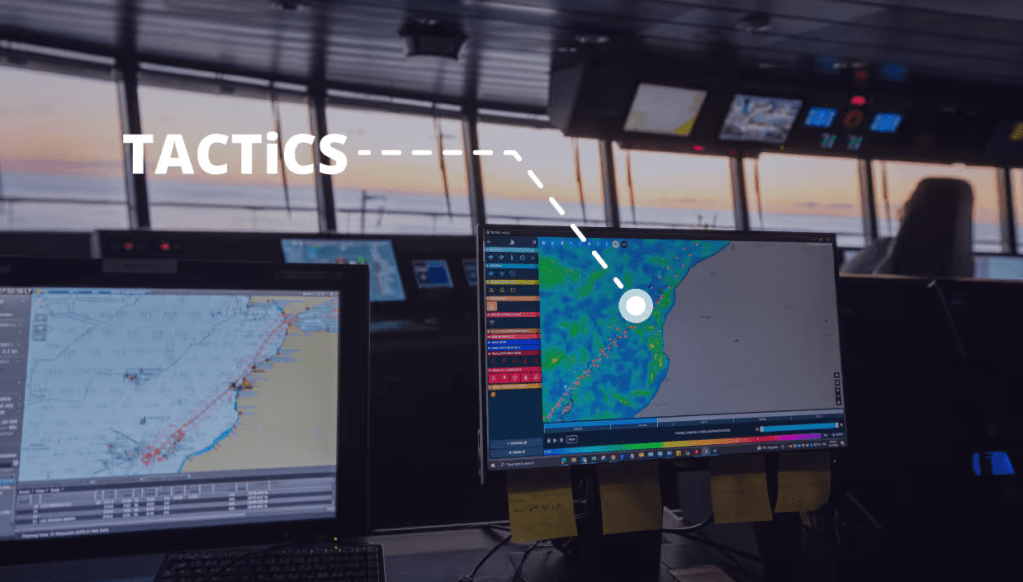
D-ICE Engineering: Navigating the Deeptech Frontier in Maritime Decarbonisation & Intelligent Navigation
The maritime industry is under increasing pressure to reduce greenhouse gas emissions, cut fuel costs, and improve operational safety, yet traditional navigation and propulsion systems often fall short in
-
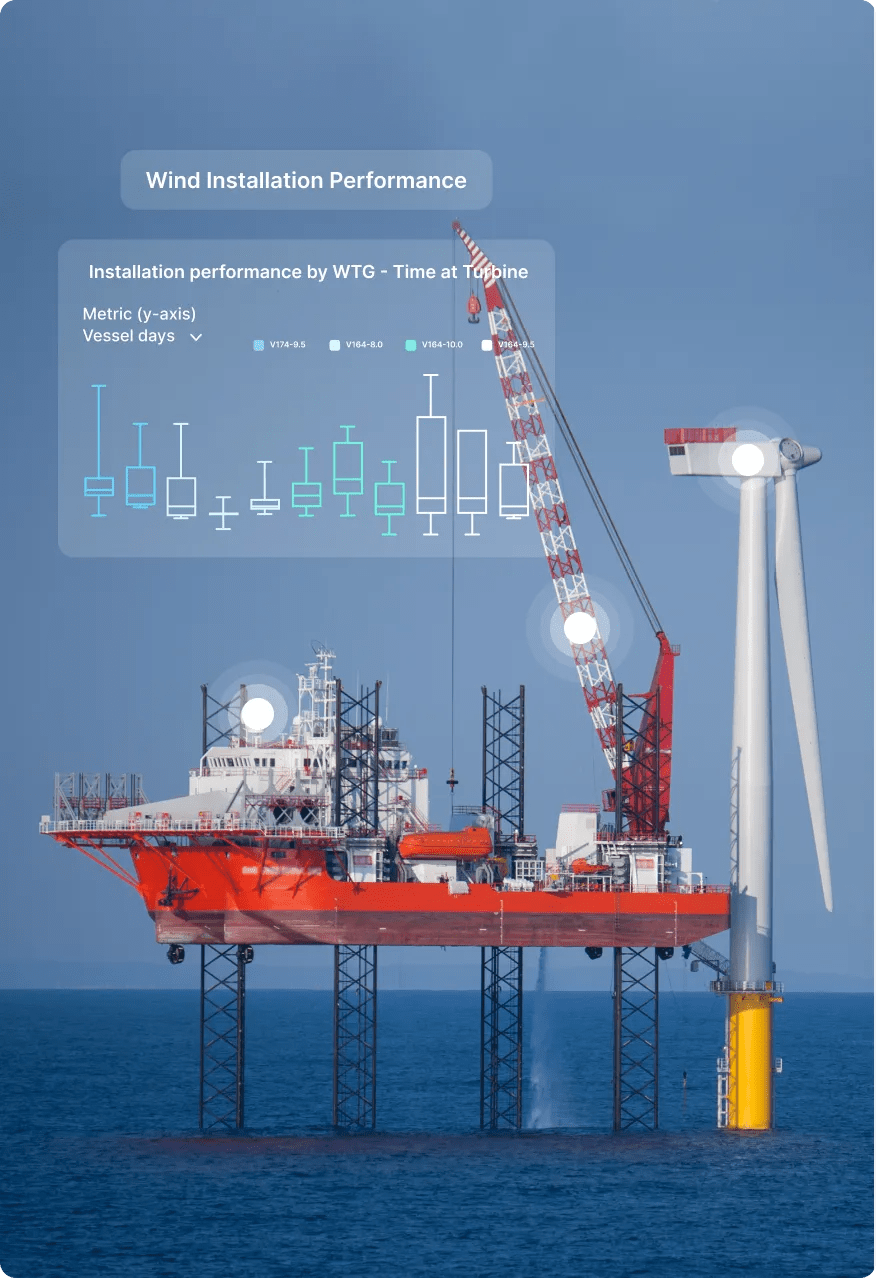
Spinergie: Navigating the Maritime Industry Toward Sustainability through Data, AI, and Fleet Intelligence
The maritime sector is under growing pressure to decarbonize. Regulations such as EU MRV (Monitoring, Reporting, Verification), and others are pushing vessel owners and operators to track and limit emissions. Many maritime operations still rely on…
-
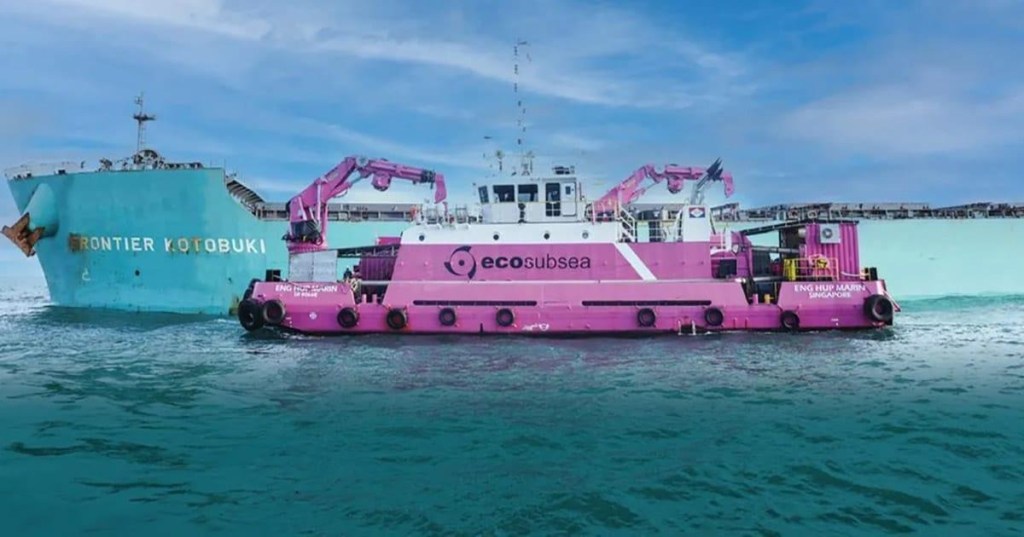
ECOsubsea: Pioneering Sustainable Hull Cleaning for a Greener Shipping Industry
For the global shipping industry, maintaining a clean vessel hull is a critical yet challenging operational requirement. The natural accumulation of marine life, known as biofouling, creates significant hydrodynamic drag, forcing ships to burn more fuel to maintain speed. This directly leads to…
 Scorpa's Tech @ Sea