LATEST
-

Propeller VC: Investing in the Ocean-Climate Nexus to Power a Sustainable Blue Economy
sources : https://www.linkedin.com/company/propellerocean/ Propeller Ventures (Propeller VC) is a climate-tech venture capital fund founded to support early-stage startups whose work lies at the intersection of ocean science, technology, and climate change. The fund backs companies that harness the ocean’s potential for carbon removal, sustainable organics, and industrial transformation, aiming to scale solutions to address climate…
-
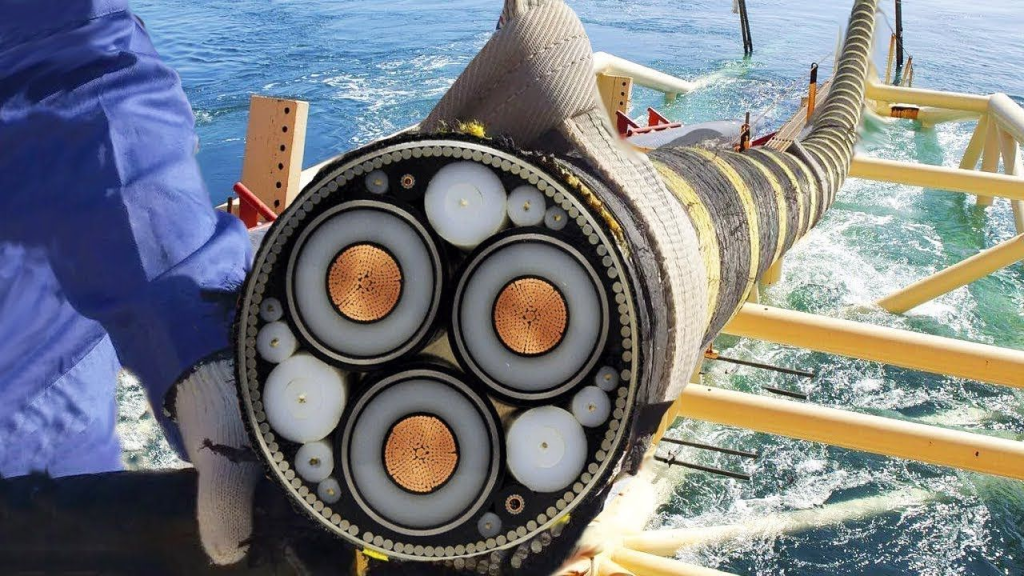
Indeximate: Illuminating the Health of Subsea Power Cables to Secure the Future of Offshore Wind
The burgeoning offshore wind industry, a critical pillar in the global transition to clean energy, faces a significant and costly vulnerability: the failure of subsea power cables. These vital arteries, responsible for
-

Fleet Robotics: Autonomous Hull-Cleaning & Inspection Robots Transforming Maritime Maintenance
The maritime industry has long grappled with the persistent issue of biofouling, the accumulation of marine organisms on a ship’s hull. This seemingly minor problem has significant consequences, leading to increased drag, higher
-
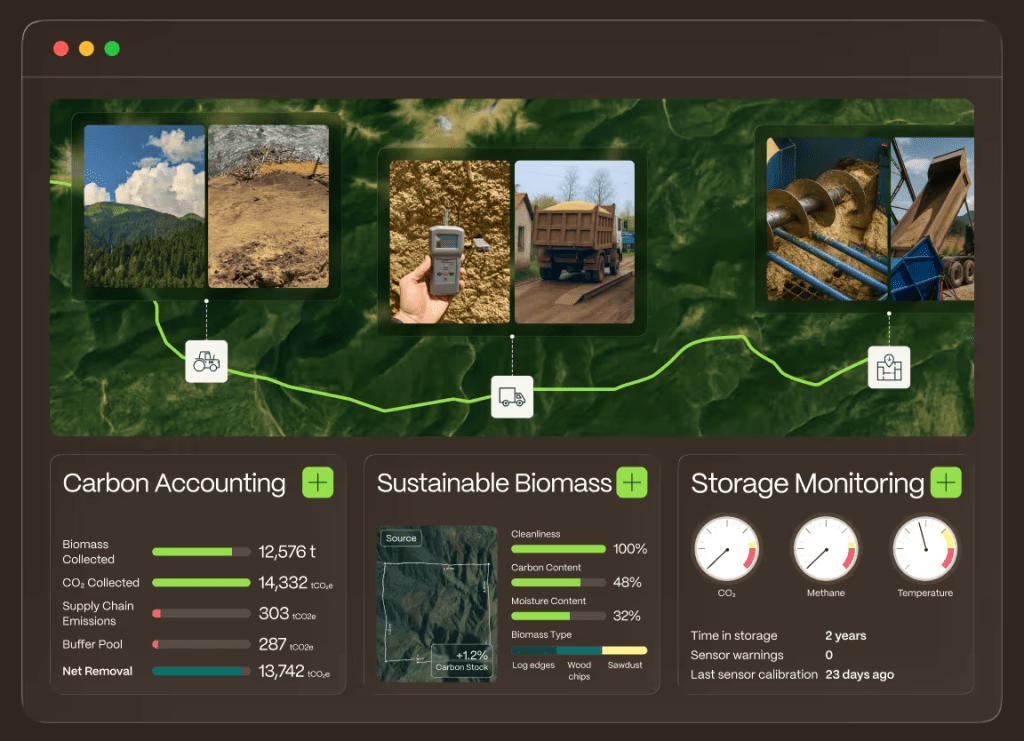
Rewind: Leveraging Marine Anoxic Storage for Permanent Biomass-Carbon Removal
The maritime industry today faces growing scrutiny over its carbon footprint, with shipping responsible for nearly 3% of global greenhouse gas emissions. While efforts such as alternative fuels and
-
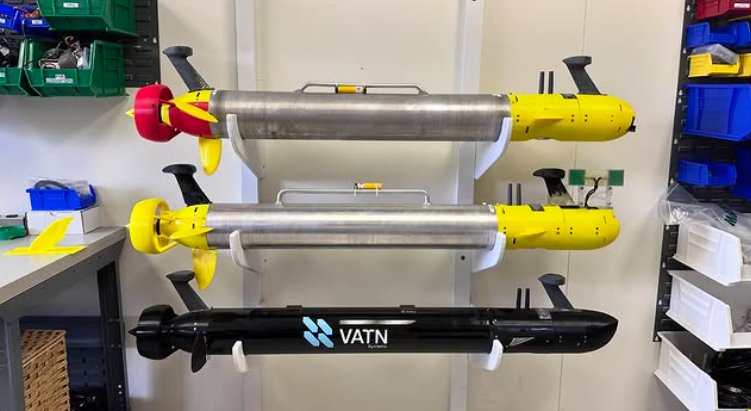
Vatn Systems: Affordable, Scalable Autonomous Underwater Vehicles (AUV) for Maritime and Defense Applications
Image credit: vatnsystems.com The maritime sector faces unique and pressing challenges when it comes to underwater operations. Unlike the surface domain, underwater environments limit or completely block GPS signals, restrict visual clarity due to turbidity or darkness, and reduce communication bandwidth to very low levels. Traditional underwater vehicles, whether manned submersibles, remotely operated vehicles, or…
-
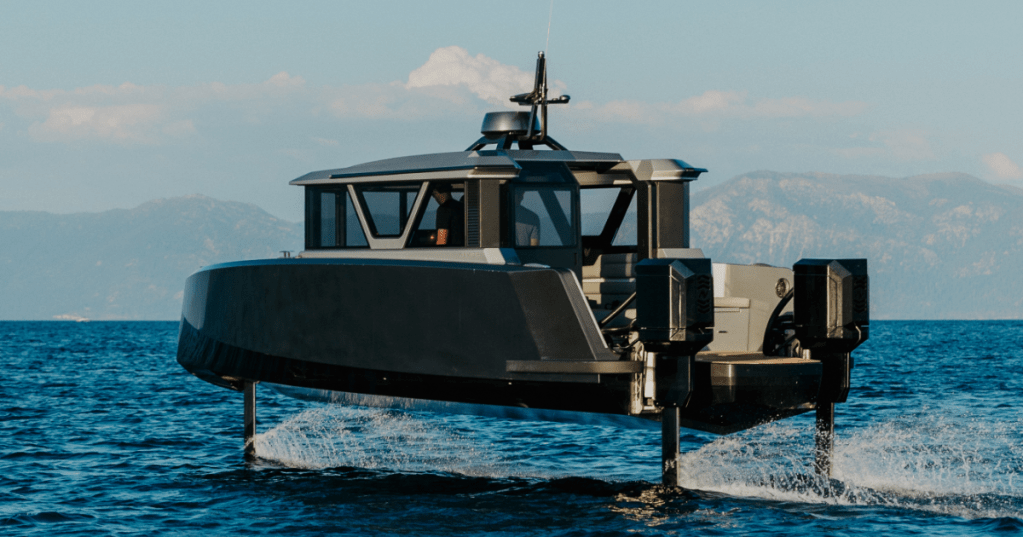
Navier’s Electric Hydrofoil: The Tesla of the Sea?
Many coastal and seafaring operations are increasingly challenged by environmental concerns, operational cost, and efficiency. Traditional boats powered by combustion engines suffer from high fuel consumption, significant…
 Scorpa's Tech @ Sea