LATEST
-
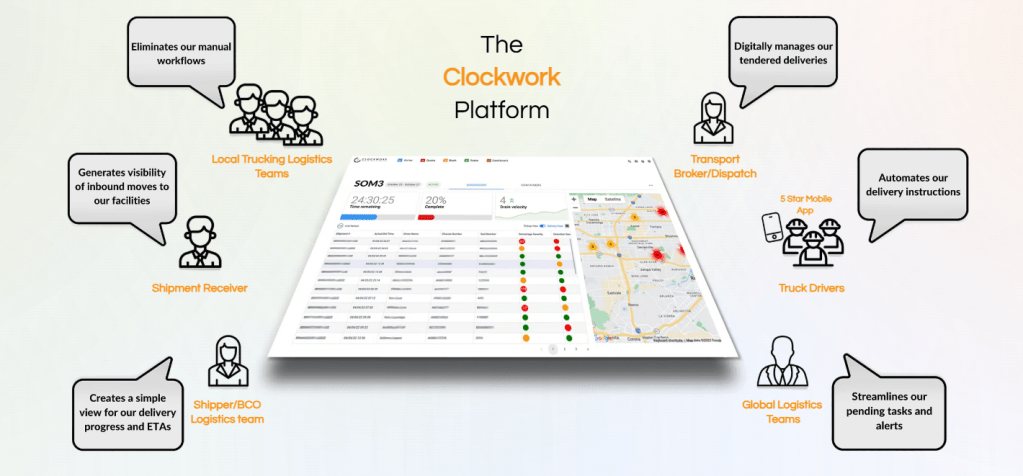
Clockwork Logistics Systems: Digitizing Delivery for Maritime and Trucking
Logistics within maritime supply chains particularly port drayage, inland trucking, and last‑mile deliveries is notoriously fragmented and non‑digitized. In maritime contexts, where cargo moves from ship to …
-

Rippey AI: Revolutionizing Maritime Logistics with Conversational AI Automation
Maritime logistics operators face critical bottlenecks in responding to quote inquiries, processing voyage documents, and coordinating shipments often relying on slow, error-prone manual systems. Without automation, back-office teams are frequently …
-

Zeabuz: Redefining Urban Mobility Through Autonomous Electric Ferries
Customers in urban and maritime transportation face multiple challenges with existing ferry and waterborne transport systems. Traditional ferries often rely on fossil fuels, leading to high emissions and environmental impact. Manual operations require onboard crews, increasing operational costs and limiting…
-
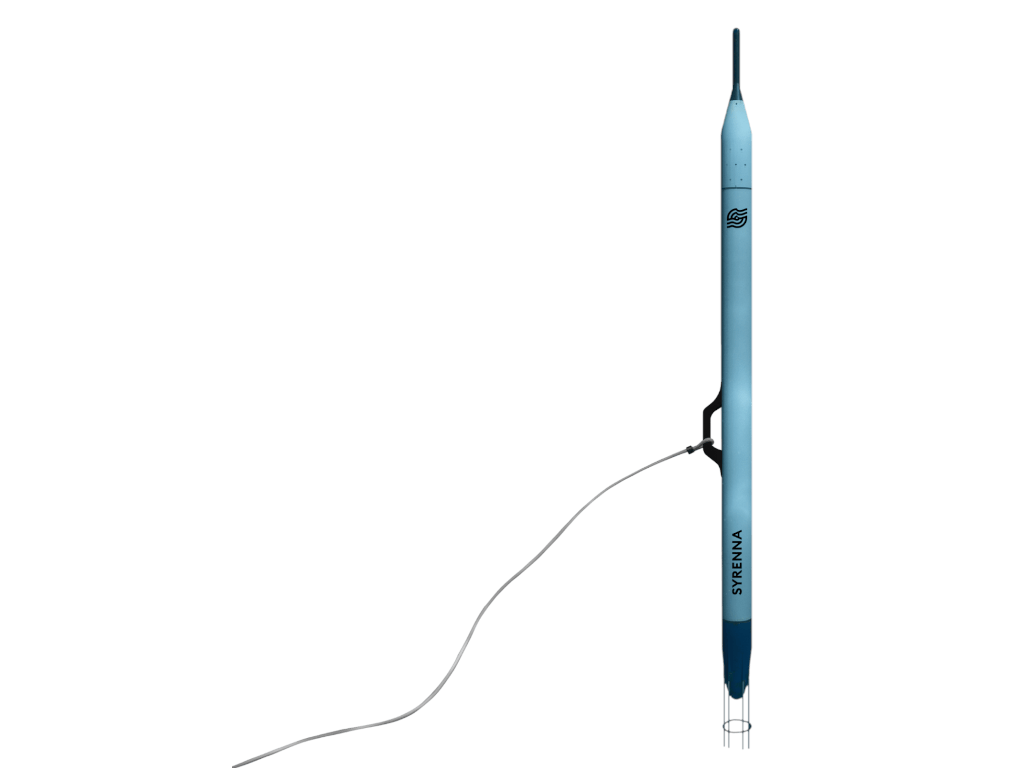
Syrenna: Revolutionizing Ocean Monitoring with Autonomous WaterDrones
As climate change, biodiversity loss, and industrial activities put growing pressure on marine ecosystems, the lack of high-resolution, in situ, and cost-effective monitoring tools hinders the ability of decision-makers to act with confidence and agility…
-
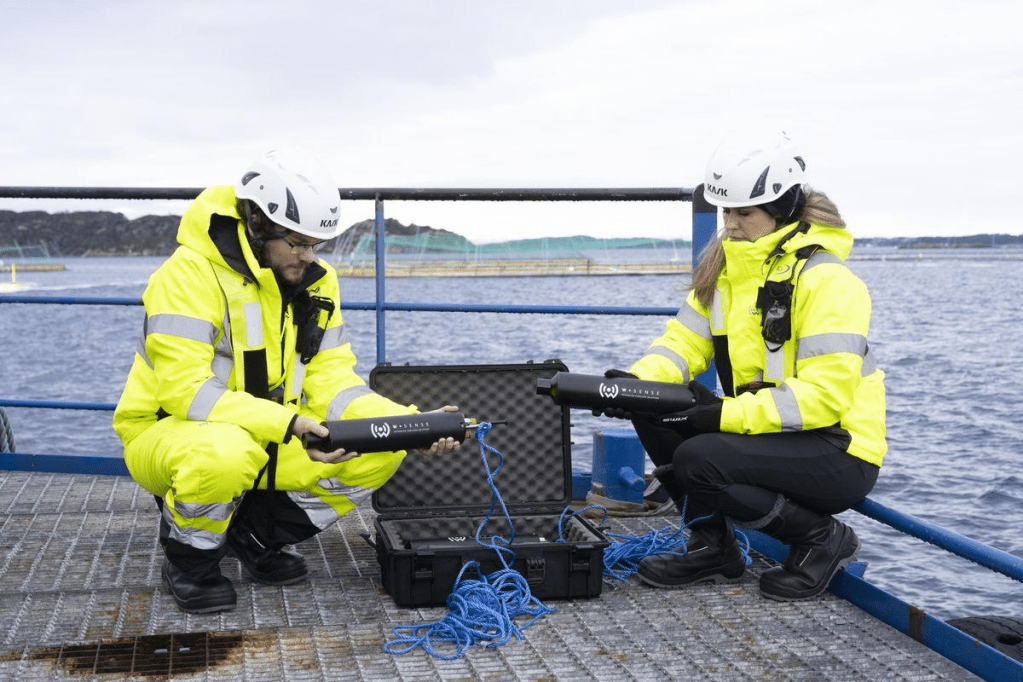
WSense: Spearheading the ‘Underwater Internet’ for Maritime Innovation
Ocean monitoring is crucial for environmental protection, infrastructure safety, aquaculture health, and climate research. However, customers across these sectors face persistent pain points: conventional technologies rely heavily on costly and fragile cables, intermittent satellite or surface-based links, and manual data retrieval, which together…
-

Triton Anchor: Revolutionizing Moorings for Floating Renewables
As floating wind, solar, and wave power technologies rapidly expand, developers face growing pain points around the scalability, cost, and environmental impact of traditional anchoring systems. Existing solutions such as gravity-based or drag embedment anchors are often heavy, expensive to install, environmentally disruptive, and…
 Scorpa's Tech @ Sea