LATEST
-

Triton Anchor: Revolutionizing Moorings for Floating Renewables
As floating wind, solar, and wave power technologies rapidly expand, developers face growing pain points around the scalability, cost, and environmental impact of traditional anchoring systems. Existing solutions such as gravity-based or drag embedment anchors are often heavy, expensive to install, environmentally disruptive, and…
-

ShipReality: Pioneering the Industrial Metaverse for Shipping Decarbonization
Global shipping faces immense pressure to decarbonize under IMO’s 2030/2050 targets. The challenge is retrofitting roughly 60,000 ships with energy-efficient systems across a 20-year lifecycle. However, the process of ship retrofitting today is slow, manual, and…
-

theDOCK: Navigating the Future of Maritime Tech through Innovation and Investment
The global maritime industry, responsible for transporting over 90% of the world’s trade, faces a growing set of complex and urgent challenges. Core operational workflows such as disbursement account (DA) management, port call coordination, and…
-
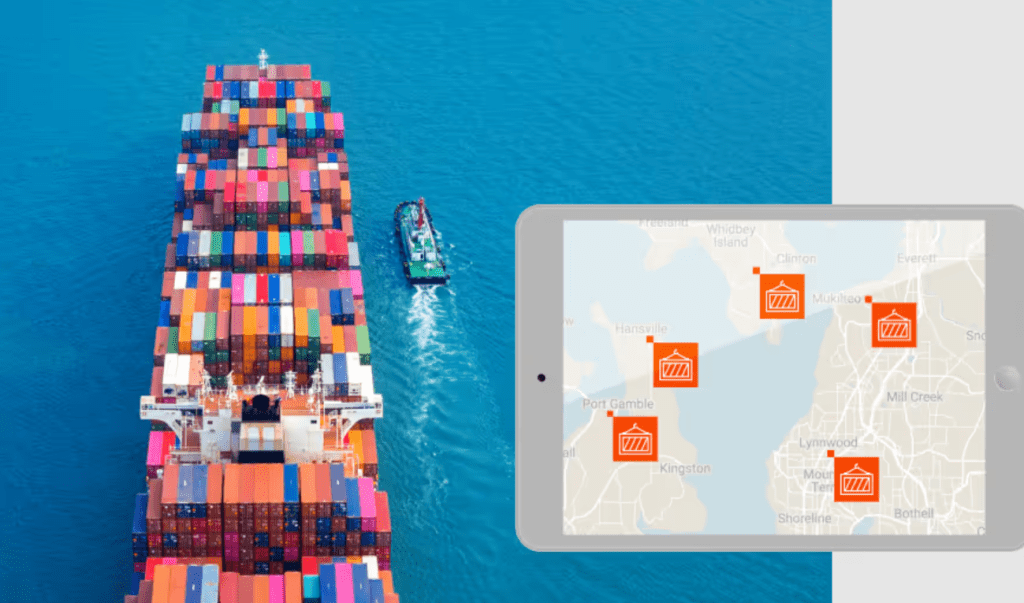
Hoopo: Smart Tracking Solutions for Unpowered Assets
In traditional logistics and supply chain operations, one of the most persistent challenges is the lack of real-time visibility into unpowered assets such as dry containers, trailers, chassis, and ground support equipment. These assets often move between various locations without any tracking mechanism, making it difficult to locate them promptly, monitor their condition, or ensure…
-

Revitalizing the Blue Planet: How Gigablue is Innovating Marine Carbon Dioxide Removal
Global warming demands large-scale carbon removal solutions to complement emissions reduction. According to Huiji Lee et al (2025) Human activities have led to a significant increase in carbon dioxide (CO2) emissions, with approximately 30% of this being absorbed by the ocean in the form of dissolved inorganic carbon (DIC). The ocean system is therefore an…
-

WaveBL: Revolutionizing Maritime Trade with Blockchain eBLs
Transfers between shippers, carriers, banks, and regulators take days or weeks, inviting fraud, loss, and significant carbon footprints. As maritime trade volume surged, the outdated manual processes became a bottleneck calling for a secure, instant, and compliant digital solution…
 Scorpa's Tech @ Sea