LATEST
-

KIME Akva: Pioneering Sustainable Cod Farming in Norway
Customers and businesses in the traditional cod market face a myriad of pain points. They grapple with extreme volatility in both supply and price, driven by unpredictable fishing quotas and natural stock fluctuations, which makes financial and inventory planning incredibly difficult. This inconsistency extends to the product itself, with wide variations in fish size and…
-

Dalfin.ai: AI-Powered No-Code Platform In Maritime Applications
The maritime sector is rapidly adopting digital transformation, with AI at its forefront. Ships increasingly rely on data from sensors, navigation systems, and legacy infrastructure to manage logistics, safety, and compliance. However, traditional software development in maritime is complex: legacy systems are fragmented, deployments require rigorous security, and in-field crews often lack coding expertise…
-

Tilla Technologies: Transforming Crew Change Logistics in the Maritime Industry
Shipping companies face a multitude of deeply entrenched pain points in managing crew changes. The process was traditionally reliant on a tangled web of manual workflows, including spreadsheets, emails, and phone calls. This fragmented approach created significant…
-
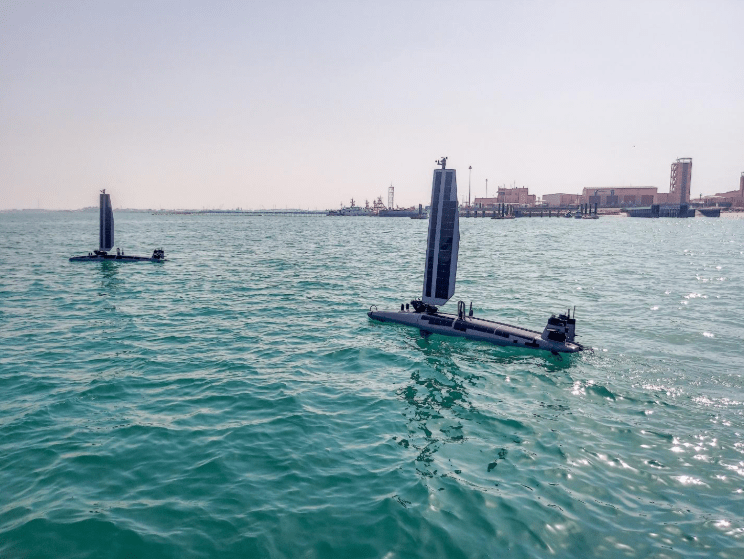
Ocean Aero: Sailing & Diving into the Future of Maritime Autonomy
Maritime industries from research to defense face persistent challenges: high operational costs, limited vessel endurance, environmental impact, and gaps in data continuity. Crewed ships and conventional autonomous systems often rely on fuel and require frequent recovery.
-
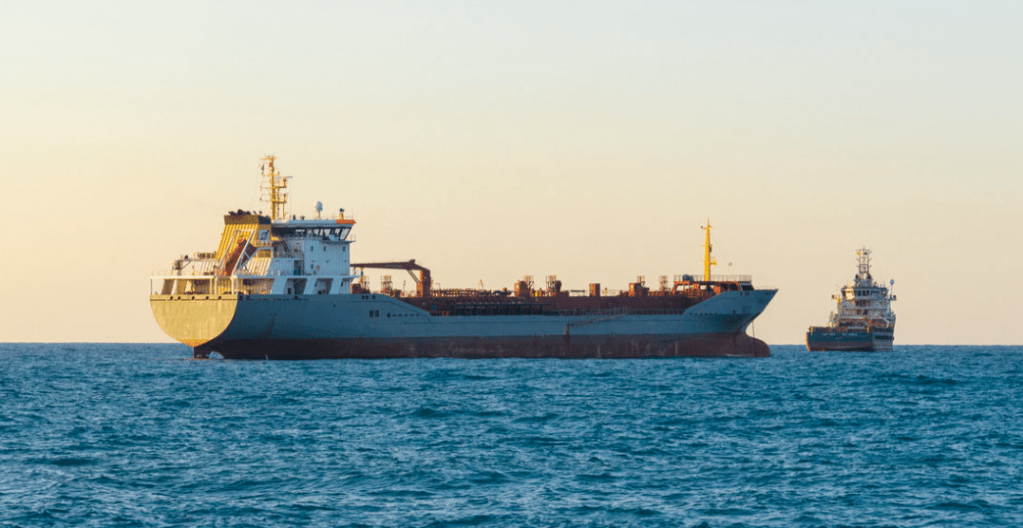
FuelTrust: Redefining Maritime Fuel Transparency and Emissions Accountability
In the world of maritime logistics, fuel represents both a critical operational cost and a growing regulatory concern. Recognizing the opaque and often unreliable nature of the global bunker fuel supply chain, FuelTrust, a Houston-based technology company founded…
-

Charting a New Course: How MOL PLUS is Transforming Global Shipping Through Venture Capital
In a world where the maritime industry is under increasing pressure to modernize, decarbonize, and digitize, MOL PLUS has emerged as a pivotal force driving innovation from within. Established in May 2021, MOL PLUS is the corporate venture capital (CVC) arm of Mitsui O.S.K. Lines (MOL), one of the largest and most historic global shipping…
 Scorpa's Tech @ Sea