LATEST
-
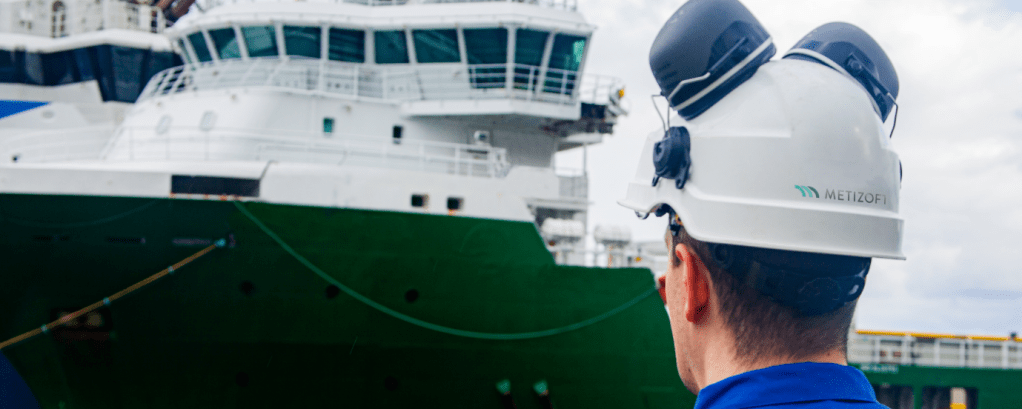
Metizoft AS: Pioneering Sustainable Solutions for the Maritime Industry
Compliance in the maritime world can feel like navigating through fog without radar. Shipowners, yards and suppliers face an ever-evolving storm of environmental regulations, complex documentation
-
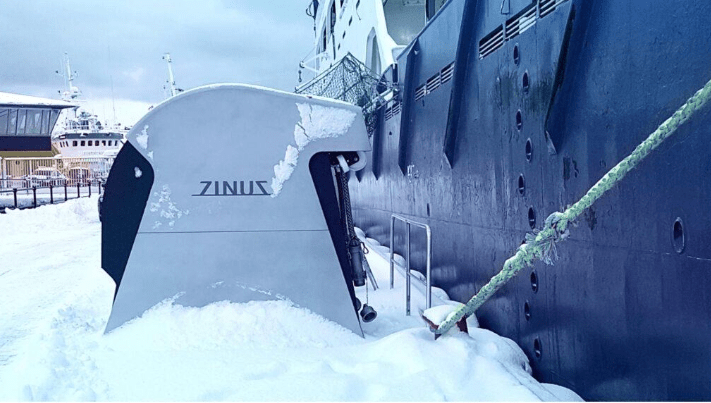
Zinus AS: Powering the Future of Maritime Shore Electrification
Ports, once filled with the rumble of diesel engines and haze of exhaust, are entering a cleaner era. As maritime regulations tighten and sustainability ambitions rise, ship operators and port authorities are racing to cut emissions not just at sea, but also while vessels sit idle at the quay. Enter shore power, a concept quietly…
-
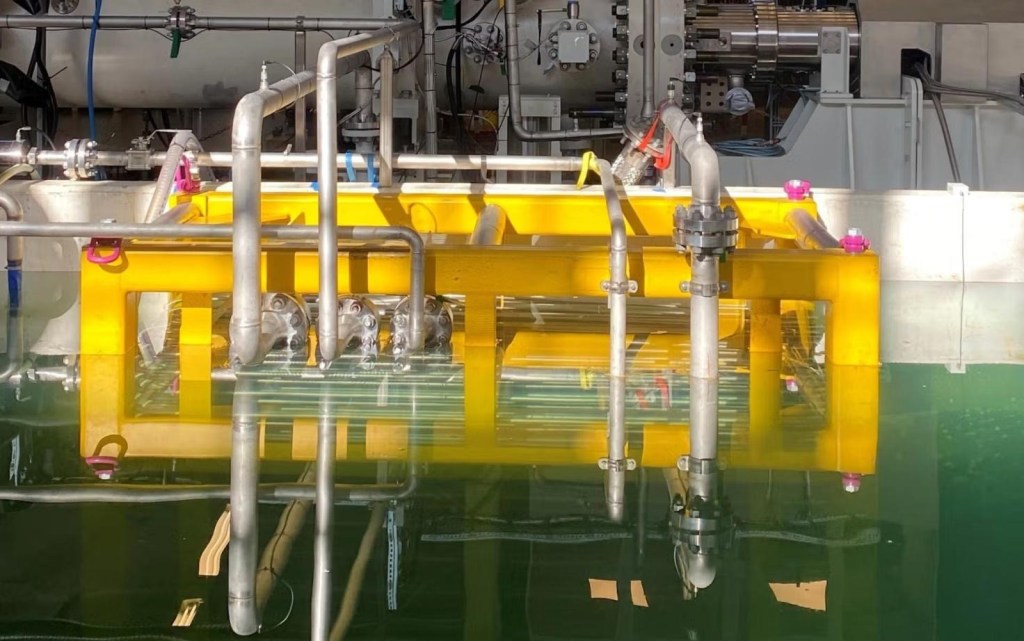
Flocean: Transforming Maritime Water Supply Through Subsea Desalination Innovation
Freshwater is becoming harder to secure, especially for coastal ports, offshore platforms, and island communities that depend on reliable supply. Traditional desalination plants take up large areas of land, consume high amounts of energy, and can harm the environment…
-
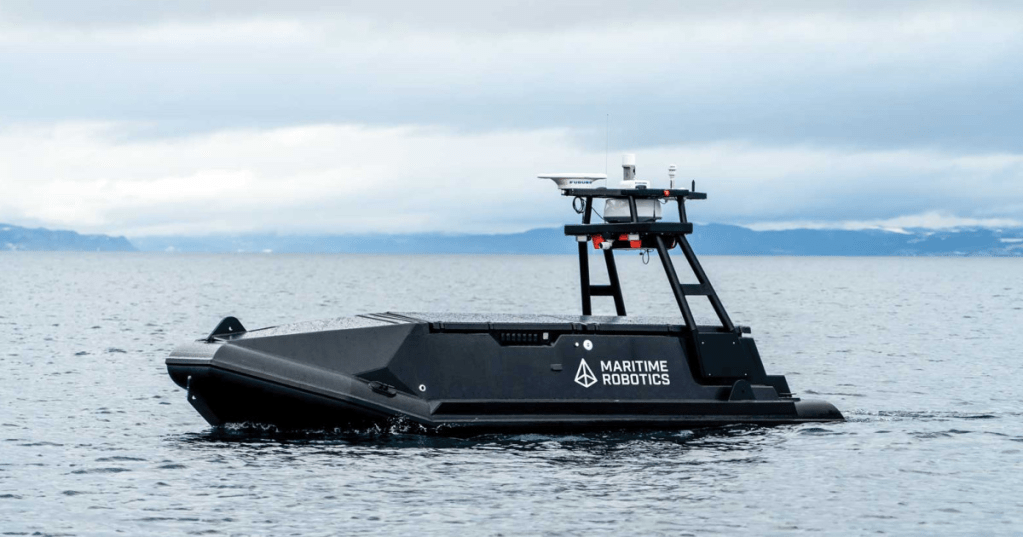
Maritime Robotics: Transforming the Future of Uncrewed Maritime Operations
Imagine the ocean as a vast, unpredictable workplace where every shift feels like an extreme-survival expedition. Crews face dangerous weather, costly vessel operations, drain budgets faster than a leak in the hull, and the demand for high-quality marine data
-
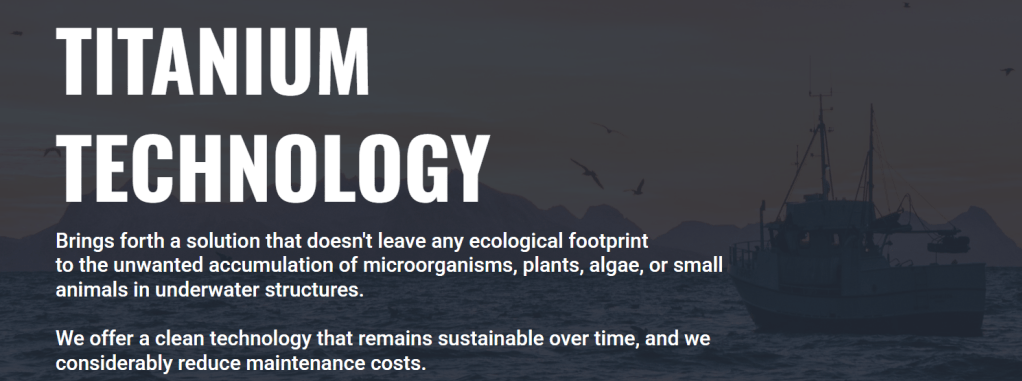
Titanium Technology (TiTech): A Clean Anti-Biofouling Innovation for Submerged Infrastructure
Marine and industrial operators face rising maintenance costs, reduced efficiency, and environmental compliance pressures due to biofouling, the buildup of algae, barnacles, and microorganisms on
-

KOA Biotech: Revolutionizing Aquaculture Health Through Real-Time Pathogen Detection
Fish farmers often struggle with serious disease outbreaks that can destroy large parts of their stock and cause major financial losses. The biggest problem is that current methods for detecting pathogens are too slow: samples must be sent to external labs, and results can take 5 to 10 days
 Scorpa's Tech @ Sea