LATEST
-
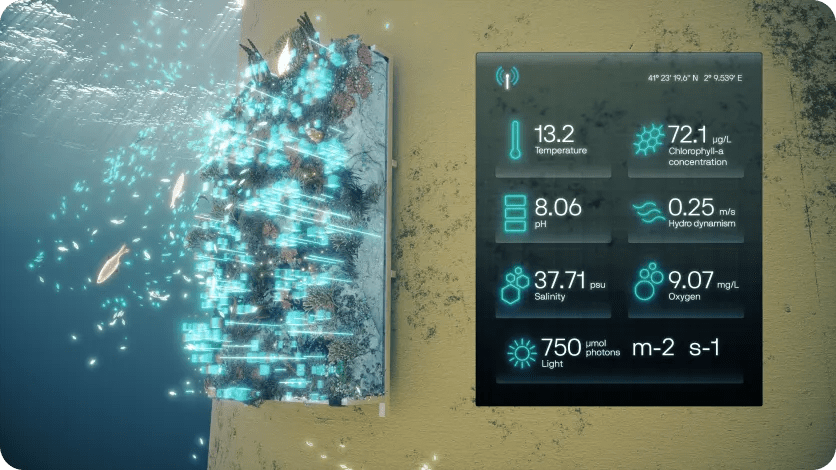
Driving Ocean Regeneration Through Innovation: A Comprehensive Look at Ocean Ecostructures
The health of marine ecosystems is increasingly threatened by rapid coastal development, intensive maritime activities, and infrastructure expansion. Ports, marinas, and offshore facilities have traditionally
-

1S1 Energy: Accelerating the Future of Clean Hydrogen Power
The global energy landscape is undergoing a profound transformation as industries, governments, and consumers seek cleaner, more sustainable solutions to reduce greenhouse gas emissions and combat climate change.
-
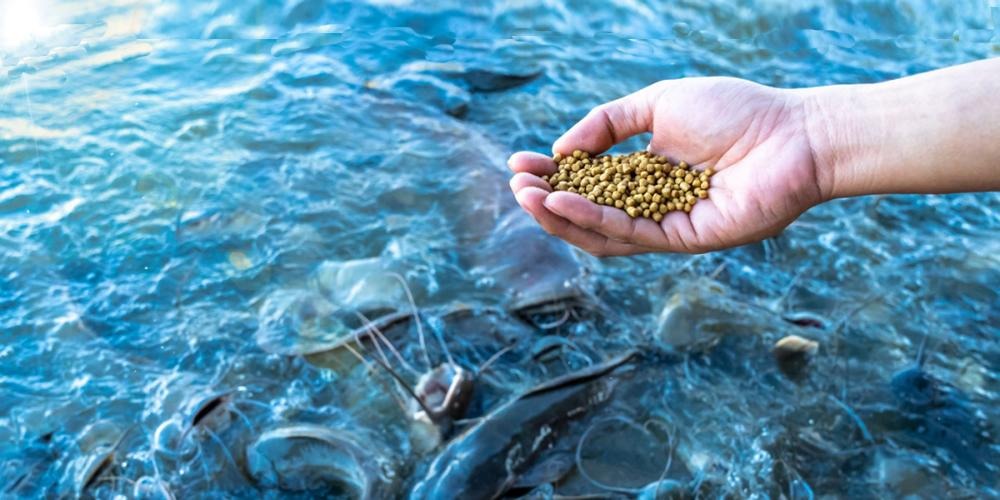
Ocean Twist Biotechnology: Innovating Sustainable Aquafeed from Insects & By-products
In the global aquaculture industry, one of the biggest challenges lies in the heavy dependence on fishmeal made from wild-caught fish, a practice that not only drives overfishing but also places immense pressure on marine ecosystems. As the demand for seafood continues…
-
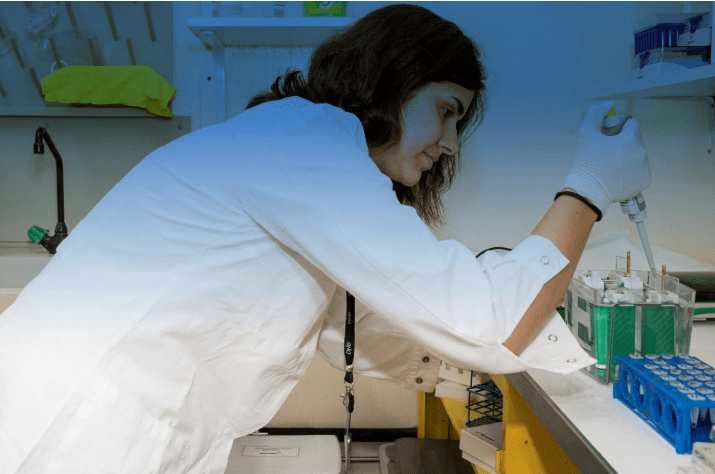
BioMimetx: Engineering Nature-Inspired Antifouling Solutions for a Cleaner Ocean
Biofouling, the unwanted buildup of algae, barnacles, and other marine organisms on ship hulls and underwater structures remains one of the most persistent and costly challenges in the maritime industry. It increases fuel consumption, raises maintenance costs, accelerates corrosion, and
-

Nortech AI: Powering Maritime Intelligence through End to End Industrial IoT
In today’s maritime industry, vessel operators face a common pain point: a massive amount of onboard data from sensors and control systems that remains fragmented, inconsistent, and underutilized. This lack of
-
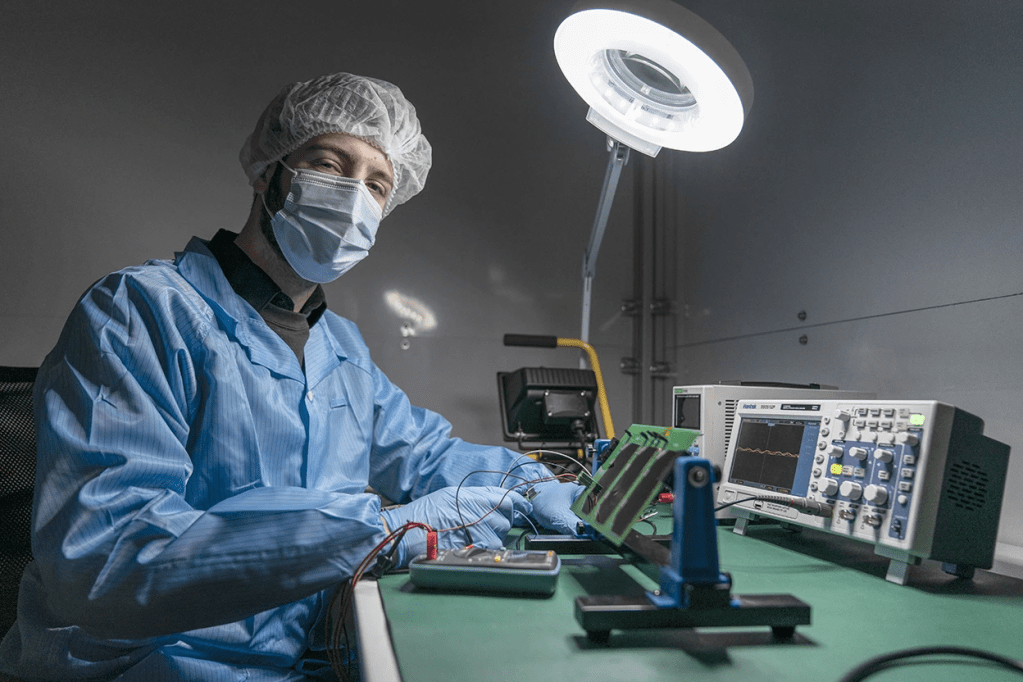
FOSSA Systems: Enabling Satellite IoT for Maritime and Offshore Applications
In the maritime industry, communication, monitoring, and navigation are critical challenges, especially in remote oceanic regions where conventional networks fail to operate effectively. Traditional…
 Scorpa's Tech @ Sea