LATEST
-
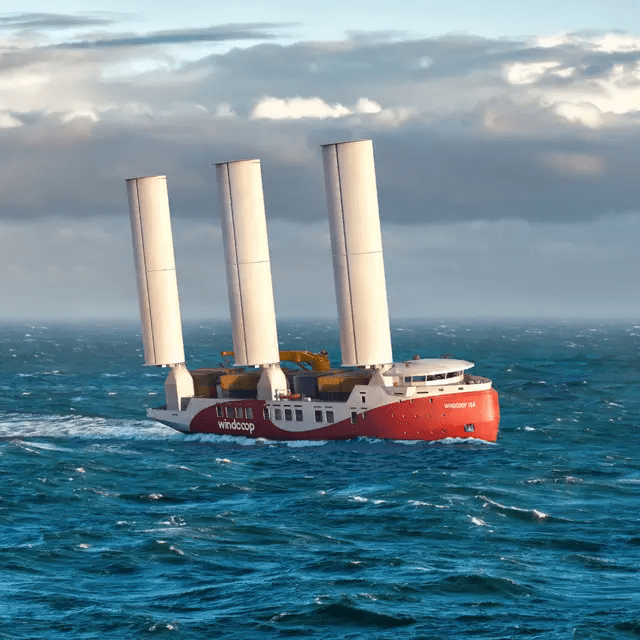
Windcoop: Pioneering Low-Carbon Maritime Transport Through Cooperative Ownership
Windcoop is a French maritime cooperative transforming global shipping with wind-powered cargo vessels. It operates under a multi-stakeholder cooperative model (SCIC) to build and launch a wind-driven container ship. Through collective investment and democratic governance, Windcoop aims to offer a sustainable, low-carbon alternative to …
-
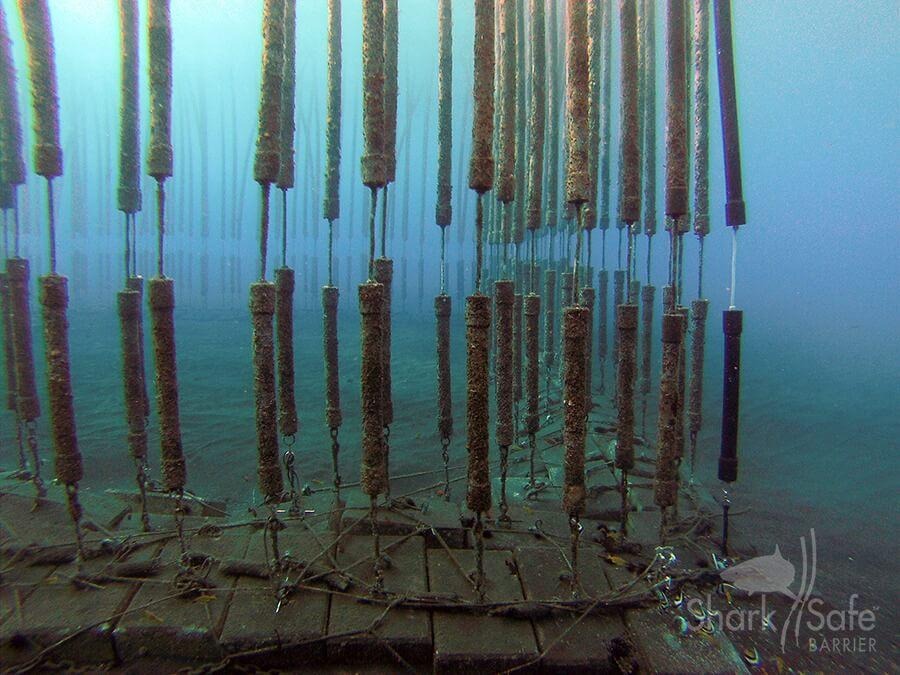
SharkSafe Barrier™: Pioneering Eco-Friendly Shark Protection
Shark-human interactions, while statistically rare, can lead to overweighted social and economic impacts on coastal communities including reduced tourism and public fear. Traditional shark deterrent measures often
-
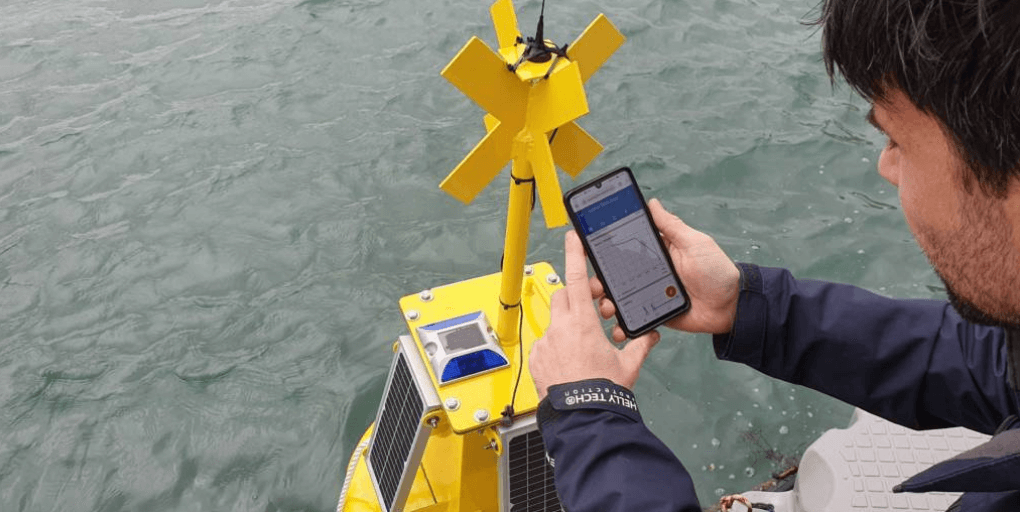
Bioceanor: AI-Driven Water Quality Monitoring for Sustainable Aquaculture
Bioceanor is a French blue tech startup that combines artificial intelligence (AI), marine biology, and data analytics to provide real-time and predictive water quality solutions for aquaculture and environmental monitoring. Its flagship product, AquaREAL, helps
-
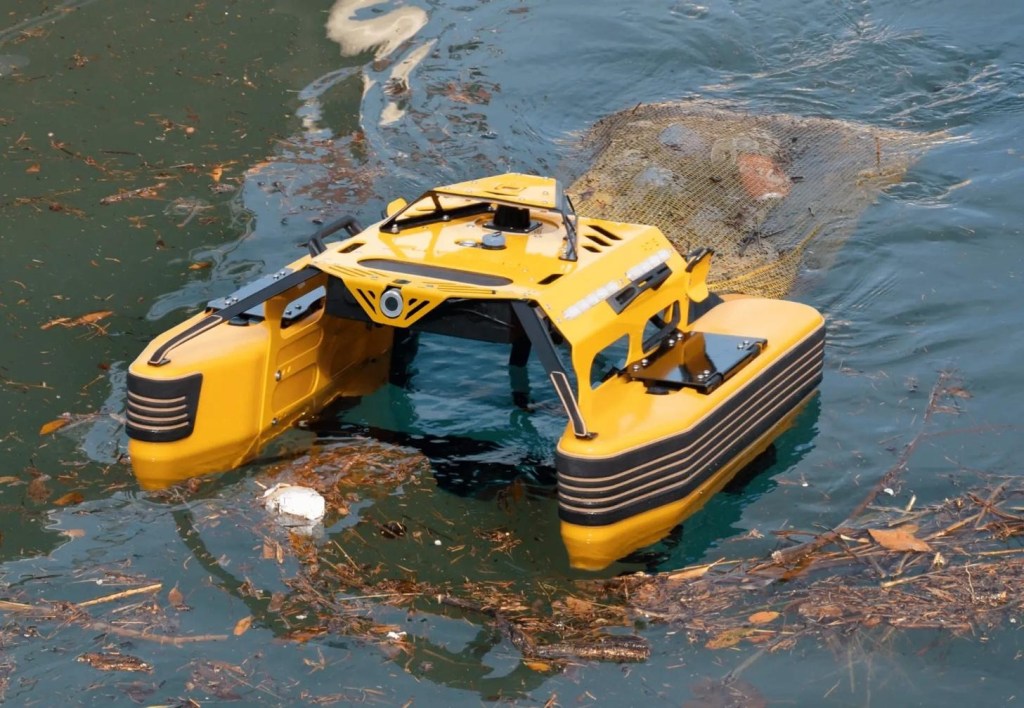
IADYS: Advancing Maritime Environmental Protection Through Autonomous Robotics
Traditional cleanup methods require significant manpower, create safety risks for crews, and often cannot access narrow or shallow areas where pollution accumulates most heavily. IADYS responded to this operational gap by
-
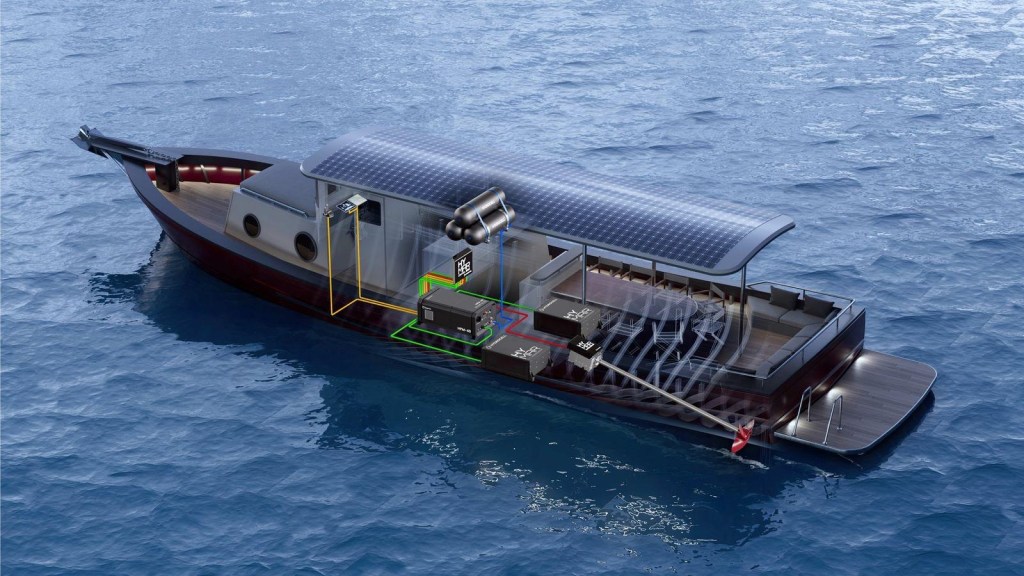
Genevos: Advancing Zero-Emission Hydrogen Fuel Cell Solutions for the Maritime Sector
As maritime operations face stricter emission regulations and rising environmental scrutiny, the need for reliable, scalable, and zero-emission solutions is becoming essential. Genevos addresses this challenge by…
-

Bluet Floating Solutions: Modular, Sustainable Construction on Water
Rapid urbanization and rising demand for waterfront access have placed heavy pressure on limited coastal land in many cities. Traditional responses, land reclamation or shoreline infill often damage coastal …
 Scorpa's Tech @ Sea