LATEST
-

Jeevan Climate Solutions: Advancing Efficient Carbon Capture for a Sustainable Future
Climate change and rising atmospheric CO₂ levels present one of the most urgent global challenges of our time. Traditional carbon mitigation approaches (like emission reductions and nature-based solutions) are crucial but insufficient on their own to meet
-
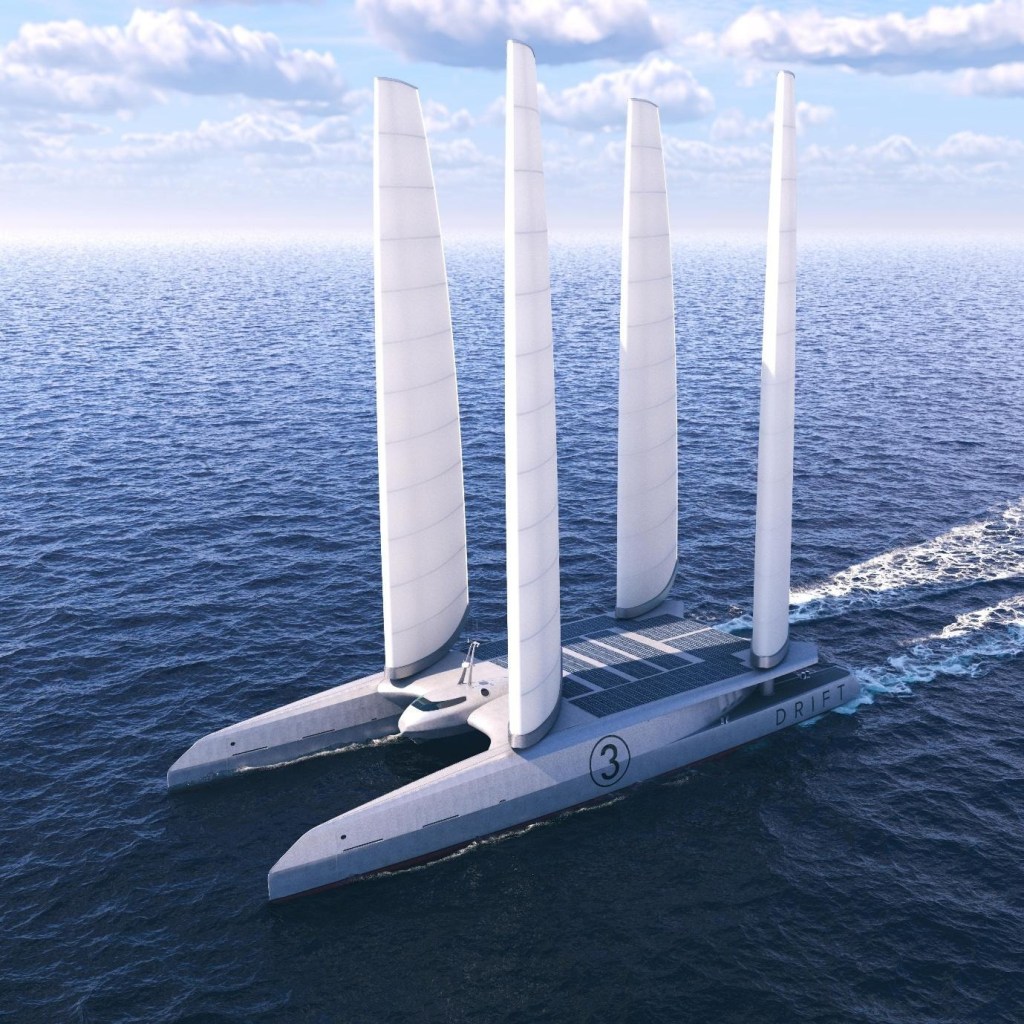
DRIFT Energy: Harnessing Ocean Winds to Power a Renewable Future
DRIFT Energy is a British deep-tech renewable energy startup developing a revolutionary class of mobile, ocean-based power plants: high-performance sailing vessels that harvest deep ocean wind and produce clean, green hydrogen. By using advanced AI routing and renewable
-

Dolphin Labs: Powering the Future of Ocean Technology with Wave Energy Innovation
Dolphin Labs is an American deep-tech startup focused on harnessing ocean wave energy to power autonomous offshore operations, maritime domain awareness solutions, and ocean monitoring systems. The company’s flagship technology, the xNode Wave Energy Converter,
-

Mussella: Advancing Circular Economy Innovation in the Marine Food Sector
Mussella is a French marine valorization company established to address a persistent inefficiency in the mussel farming industry, where a significant proportion of harvested mussels are rejected from traditional markets due to size or aesthetic standards despite being perfectly
-
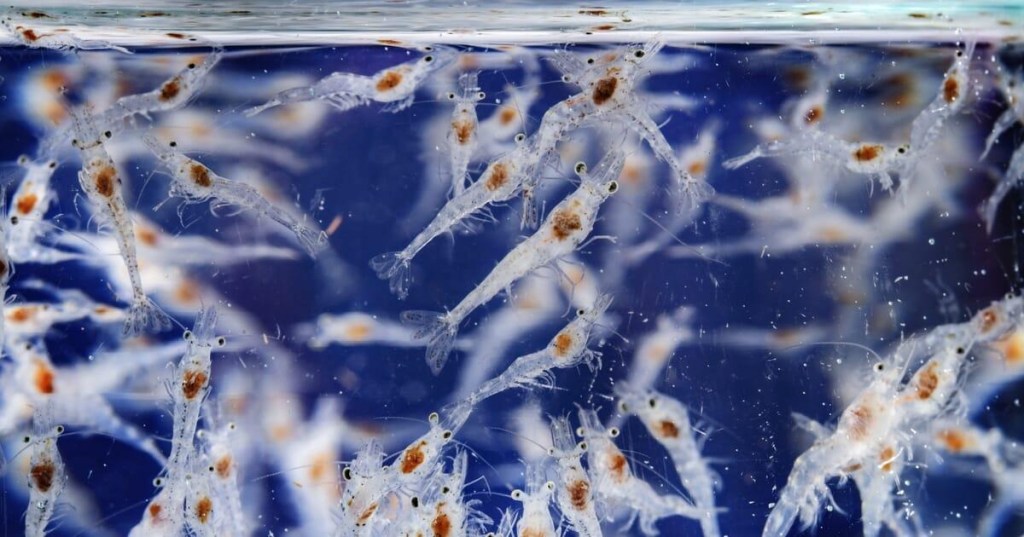
Lisaqua: Sustainable Permaquaculture Technology for a Resilient Maritime Food System
Lisaqua is a French deep tech aquaculture company founded in 2018 in Nantes that addresses critical environmental and operational challenges associated with conventional maritime shrimp farming. Traditional coastal aquaculture has…
-
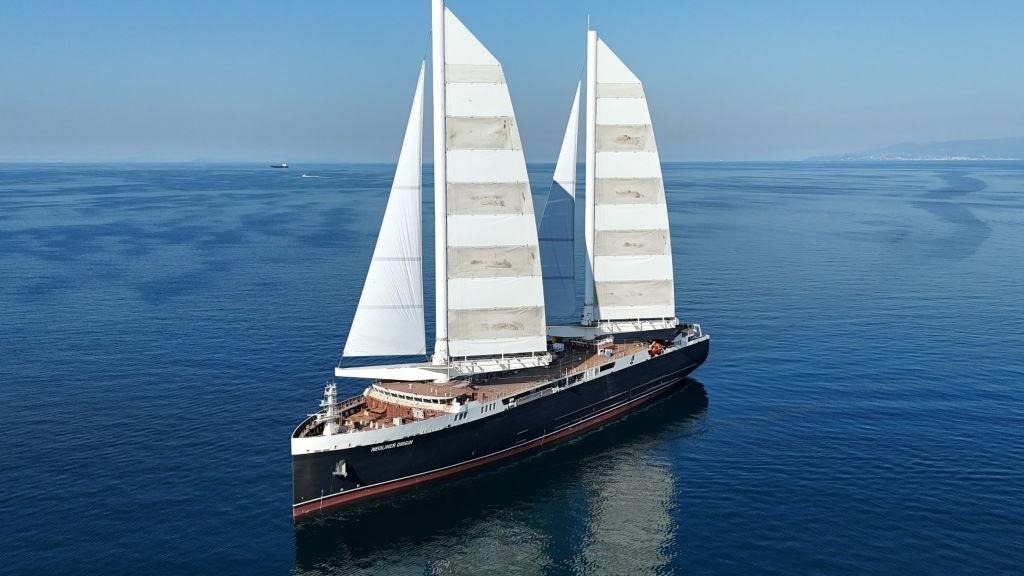
Neoline: Pioneering Wind-Powered Maritime Transport for a Sustainable Future
Neoline is a French maritime company developing and operating wind-powered cargo shipping solutions, with a flagship project called Neoliner Origin, a modern roll-on/roll-off (Ro-Ro) freighter designed to
 Scorpa's Tech @ Sea