LATEST
-
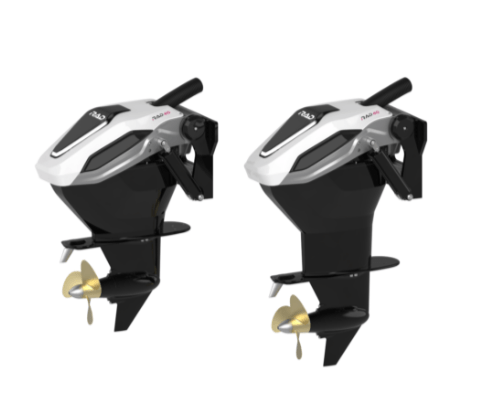
RAD Propulsion: The “Tesla Moment” for the Marina
For decades, the unmistakable roar of a petrol outboard has been the soundtrack of the marina. To environmentalists and residents alike, its a sound that represents a cocktail of
-
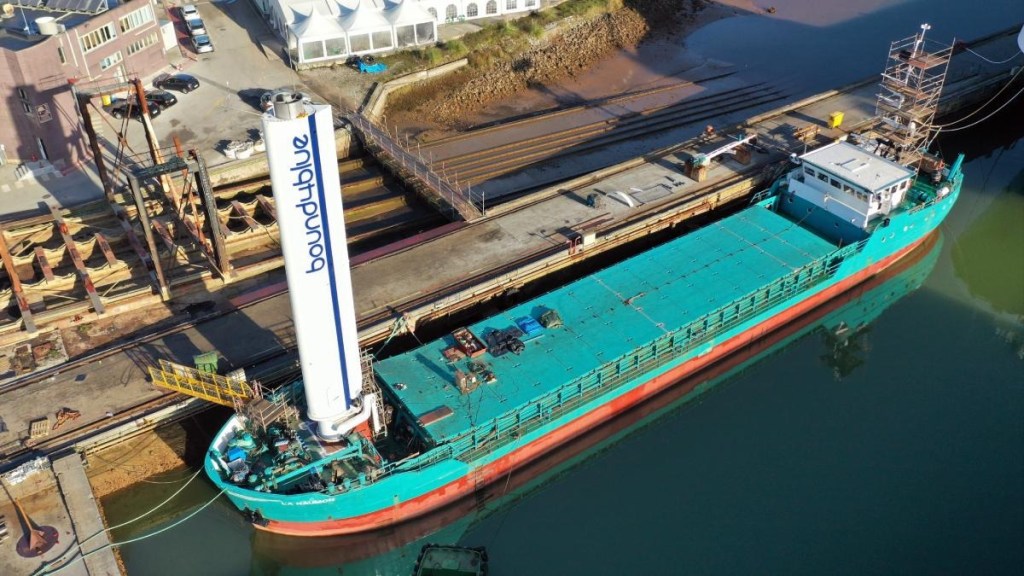
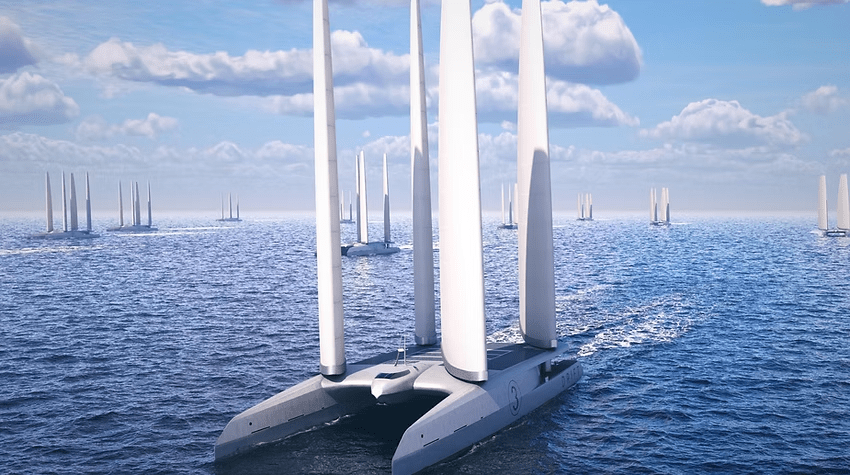
Bound4blue: Revolutionizing Wind-Assisted Propulsion for Sustainable Shipping
As the global shipping industry grapples with a tightening noose of environmental regulations and volatile fuel markets, a century-old solution is making a high-tech
-
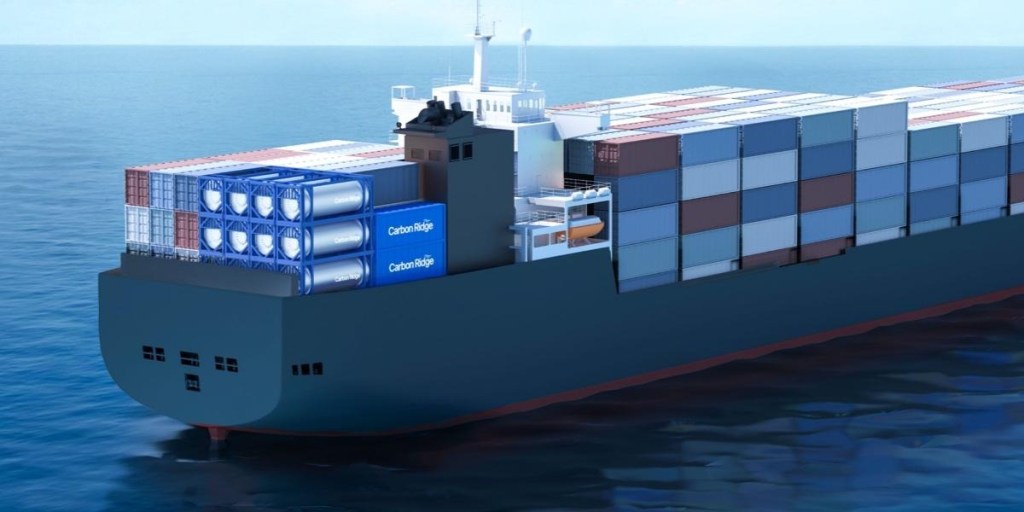
Carbon Ridge: Pioneering Onboard Carbon Capture for Maritime Decarbonization
For the global shipping industry, the “green” transition has often felt like waiting for a ghost ship. While the world’s merchant fleet is responsible for nearly 3% of global greenhouse gas emissions, the promised era of
-
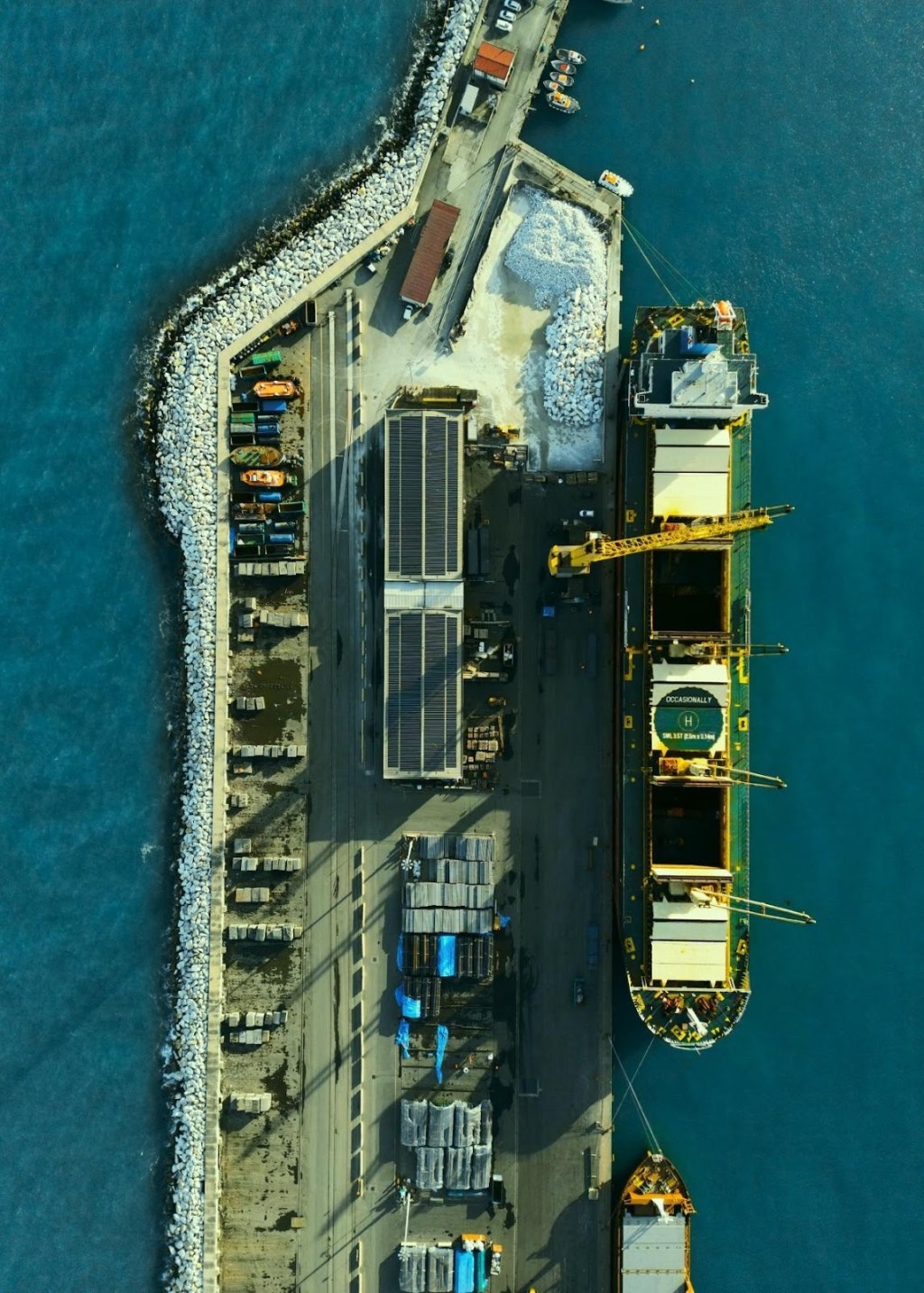
PierSight: Pioneering Persistent Ocean Surveillance Through Satellite Innovation
In the high-stakes world of global trade and national security, the vast majority of the Earth’s oceans remain a literal blind spot. While GPS and transponders track law-abiding vessels, a massive “dark fleet” of illegal fishers, smugglers, and polluters operates under the cover of clouds and
-
Blue Action: Accelerating Ocean and Maritime Climate Innovation
Blue Action (www.blueaction.eco) is an ocean-focused climate innovation platform dedicated to strengthening coastal resilience and transforming maritime industries through technology, investment, and ecosystem collaboration. The organization emerged in response to
-
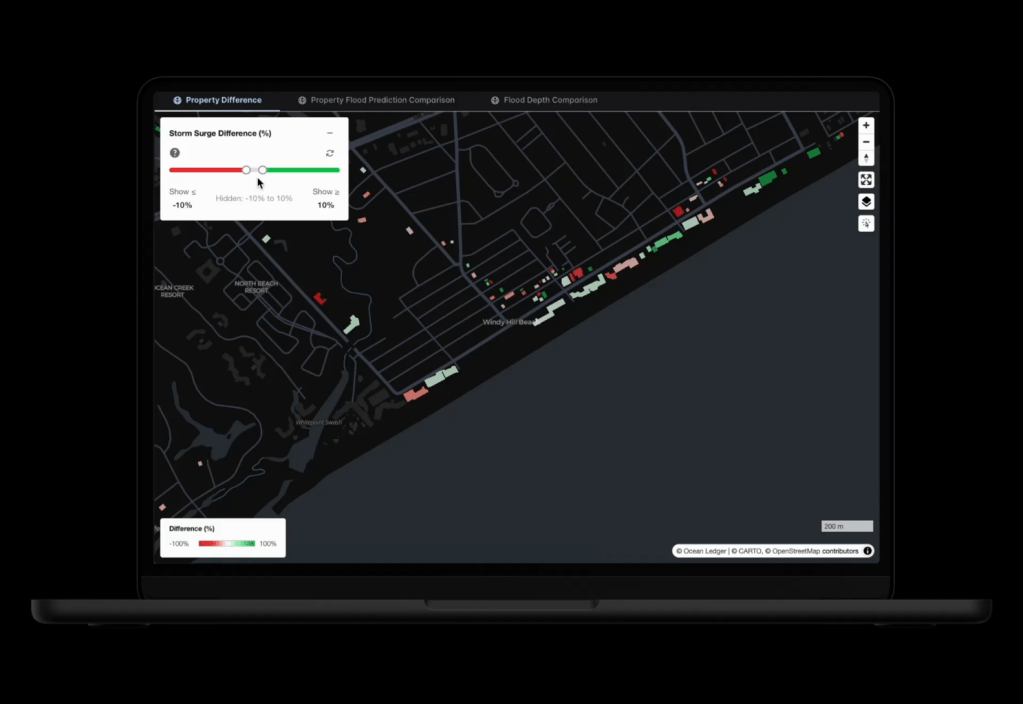
Ocean Ledger: Transforming Coastal Risk Insight with Satellite-Driven Geospatial Analytics
Ocean Ledger is a geospatial analytics company that leverages satellite data and advanced machine-learning models to deliver high-resolution insights into coastal and near-shore environments. The company was established to respond to the growing challenges faced by
 Scorpa's Tech @ Sea