LATEST
-
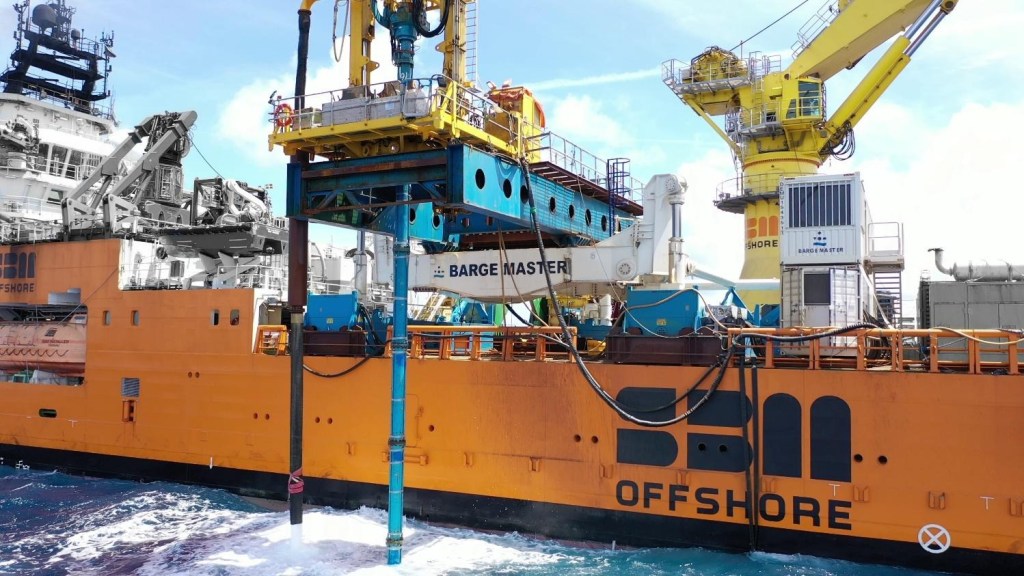
The Sea Eraser: How Barge Master is Stabilizing the Volatile Offshore Frontier
In the offshore world, the sea is the ultimate disruptor. Waves, currents, and wind induce movements that make heavy lifting and personnel transfer a high-stakes gamble. Barge Master, a Dutch leader in maritime innovation, is rewriting the rules of offshore work by developing active motion compensation technology that effectively “nullifies” the sea’s movement.
-
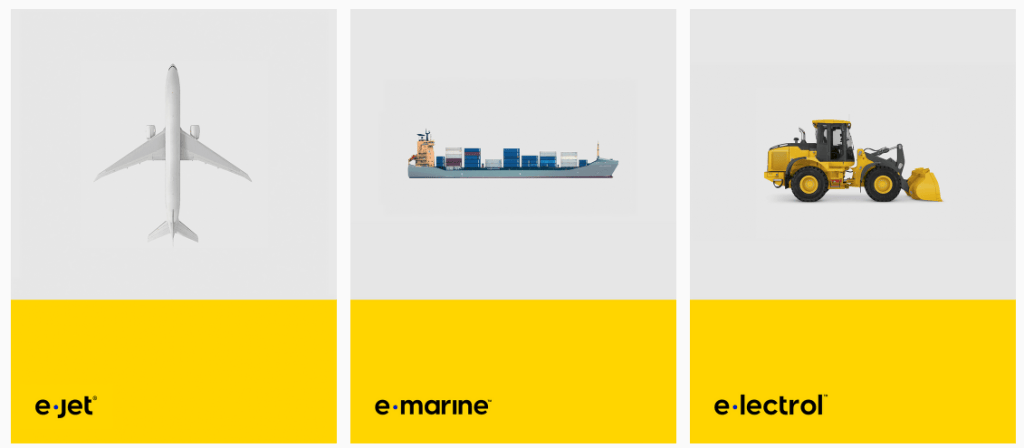
The Blue Fuel Shift: Twelve’s Bet on Decarbonizing Global Shipping
The global maritime industry, responsible for a significant portion of global emissions, is facing an existential deadline to reach net-zero. While batteries work for ferries, the massive vessels that power global trade cannot carry enough of them to cross an ocean. Enter Twelve, a carbon transformation startup that is treating the atmosphere as an “above-ground…
-
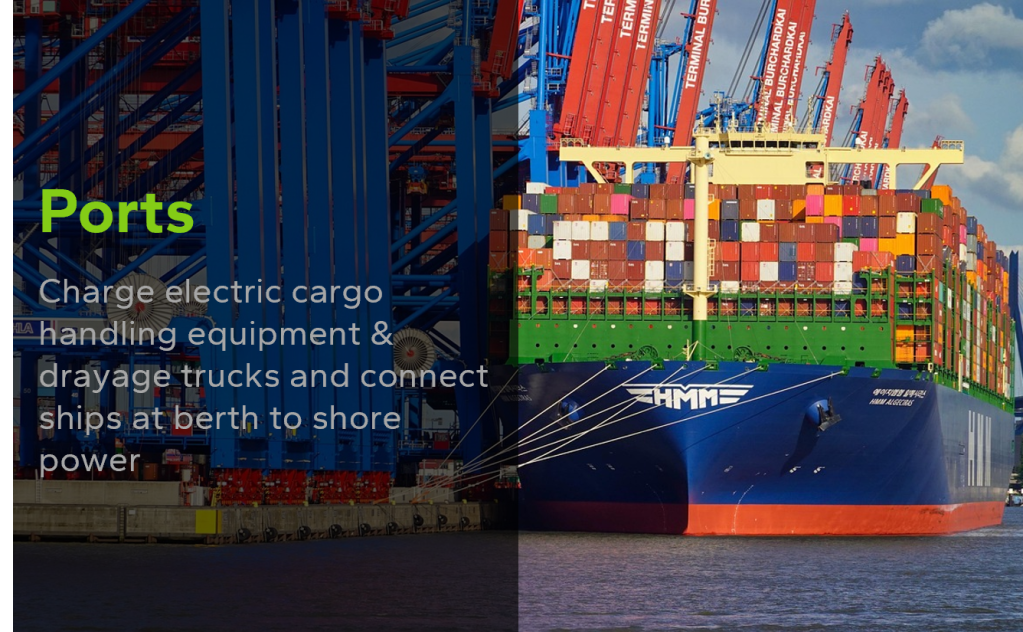
From Data Centers To Global Ports: Verne Power is taking power generation off-grid
As the artificial intelligence boom and the electrification of heavy industry push the global power grid to its breaking point, Verne Power is offering a radical alternative: total independence. The Silicon Valley
-
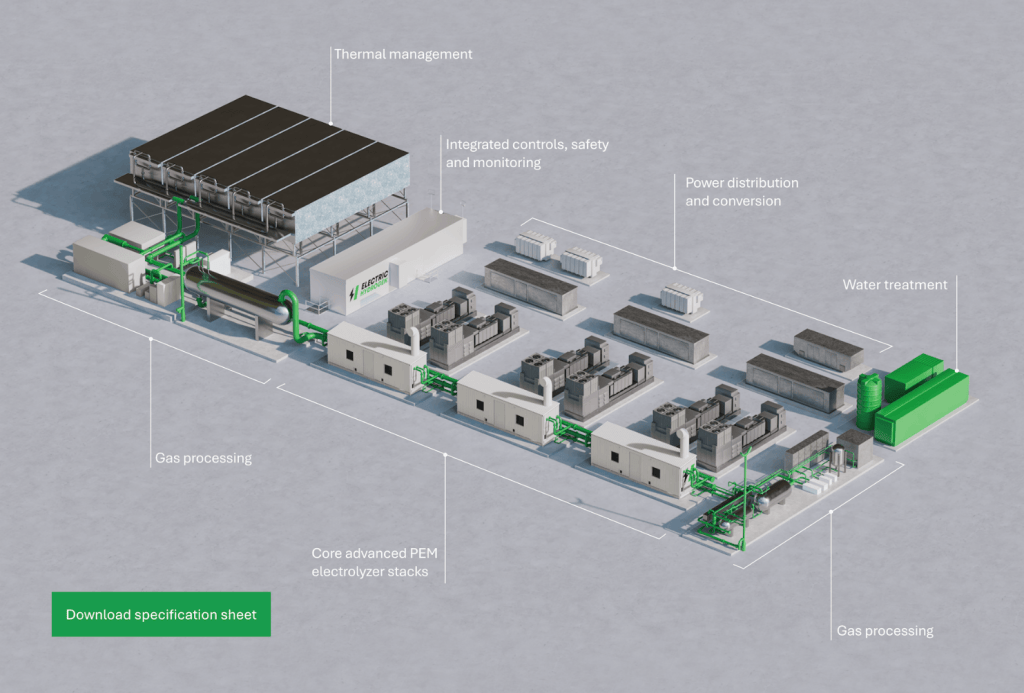
The Hydrogen Gigafactory: Electric Hydrogen’s $600 Million Bid to Decarbonize the Global Fleet
While the electrification of cars has transformed land transport, for the global shipping industry, this pathway to net-zero has long been obstructed by a simple math problem: batteries are too heavy and too weak for the grueling demands of transoceanic trade. To move a
-
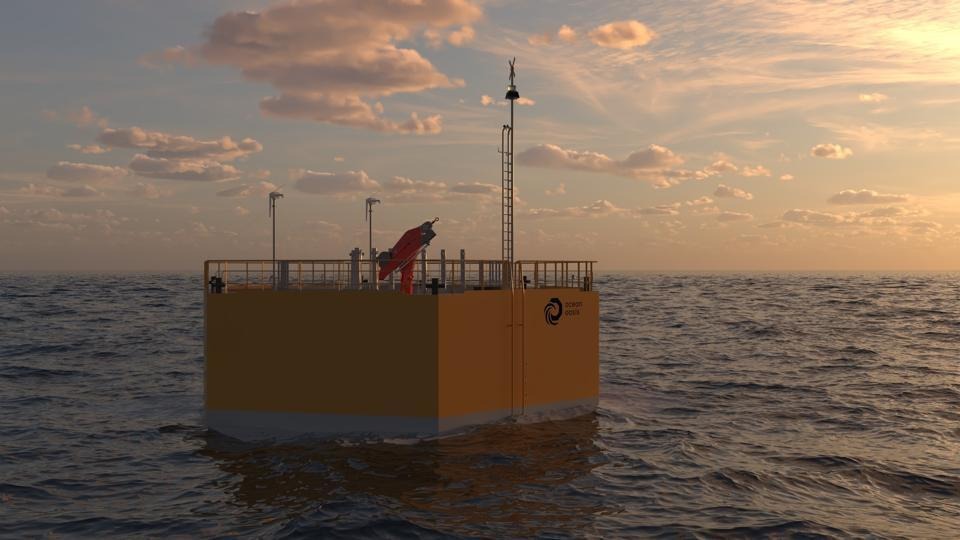
Tapping the Tides: How Ocean Oasis is Decarbonizing the World’s Water Supply
The global desalination industry has long been criticized as an energy-hungry behemoth, tethered to fossil-fuel grids and onshore real estate. But Ocean Oasis, an Oslo-based clean-tech firm founded in 2020, is attempting to sever that cord. By moving the entire desalination process offshore and powering it with the raw mechanical energy of waves, the company…
-
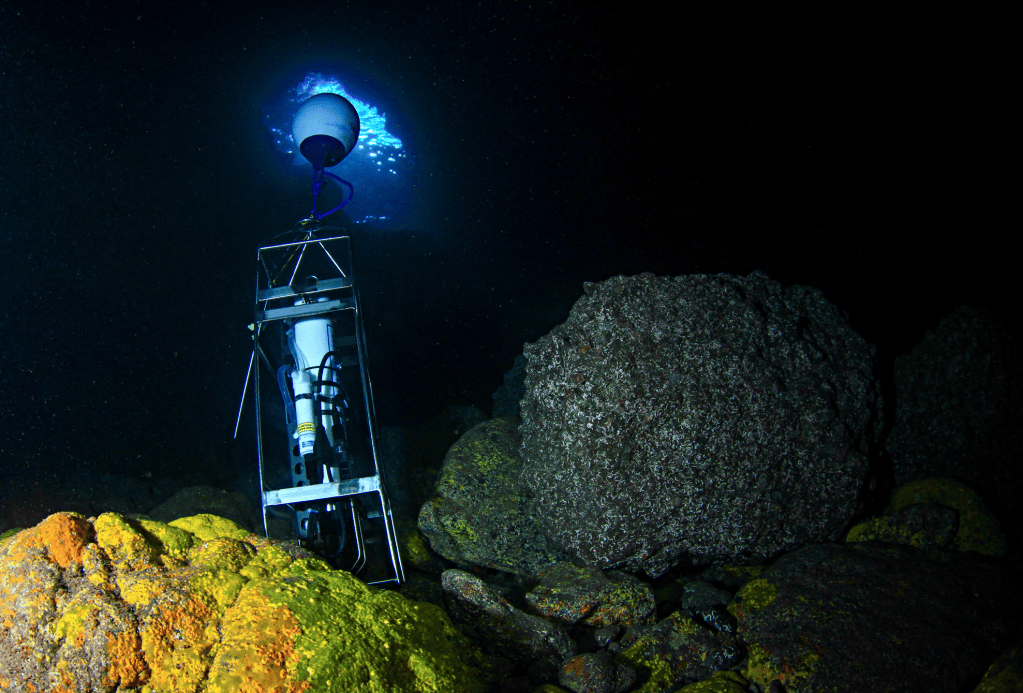
OSAC Targets Maritime “Blind Spot” with Acoustic Sensor Networks
Beneath the surface of the world’s oceans lies a data “black hole” that costs the global fishing industry billions in lost gear, fuel, and operational downtime. Because traditional radio waves die almost instantly in salt water, subsea assets have historically remained entirely cut off from the digital grid.
 Scorpa's Tech @ Sea