LATEST
-

Lotus Sirius: Pioneering Maritime Digital Transformation with AI and Cyber-Secure Platforms
Traditional shipyards are under increasing pressure to produce vessels quicker, more efficiently, and with far greater digital security than ever before, yet many still rely on fragmented systems, manual planning, and …
-
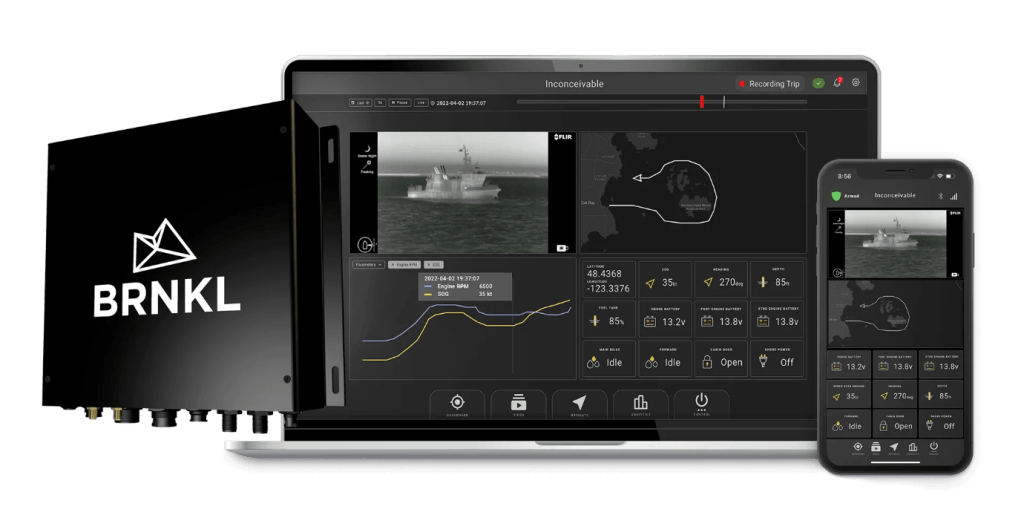
BRNKL: Revolutionizing Boat Security and Remote Vessel Monitoring
BRNKL (brnkl.io) is an innovative technology company that provides advanced remote security and monitoring solutions for marine vessels from leisure boats to professional patrol and industrial fleets. Its products…
-
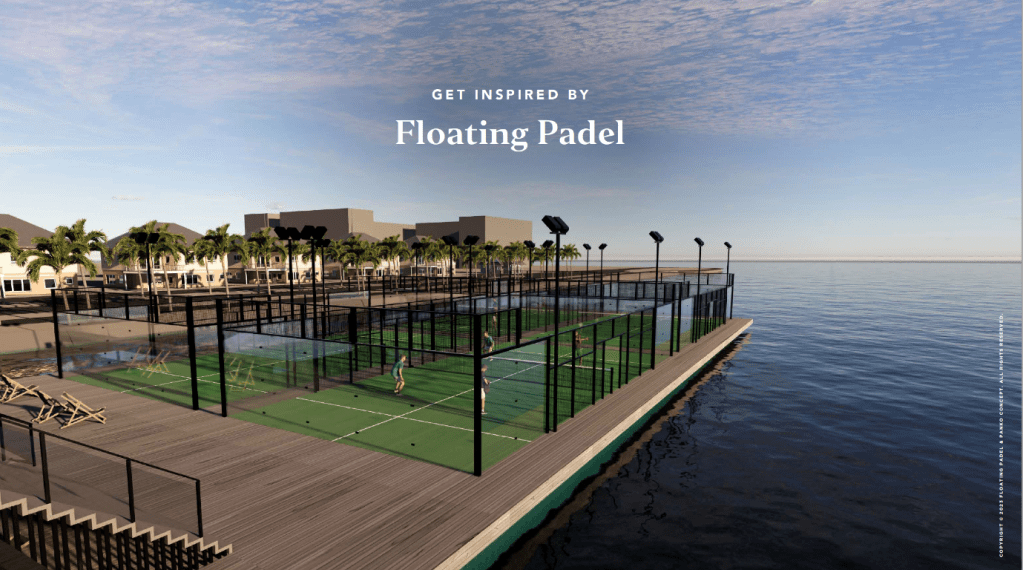
Floating Padel Oy: Revolutionizing Waterfront Recreation with Floating Sports Courts
Padel is one of the world’s fastest-growing racquet sports, combining elements of tennis and squash. Floating Padel leverages this popularity by offering courts installed directly on water, creating eye-catching and …
-

SoftBank Vision Fund: Fueling the Future of Technology with a Global Reach
The global supply chain, logistics, and maritime sectors are under significant pressure. Increasing shipping and transportation costs, port congestion, labor shortages, fragmented logistics networks, and
-
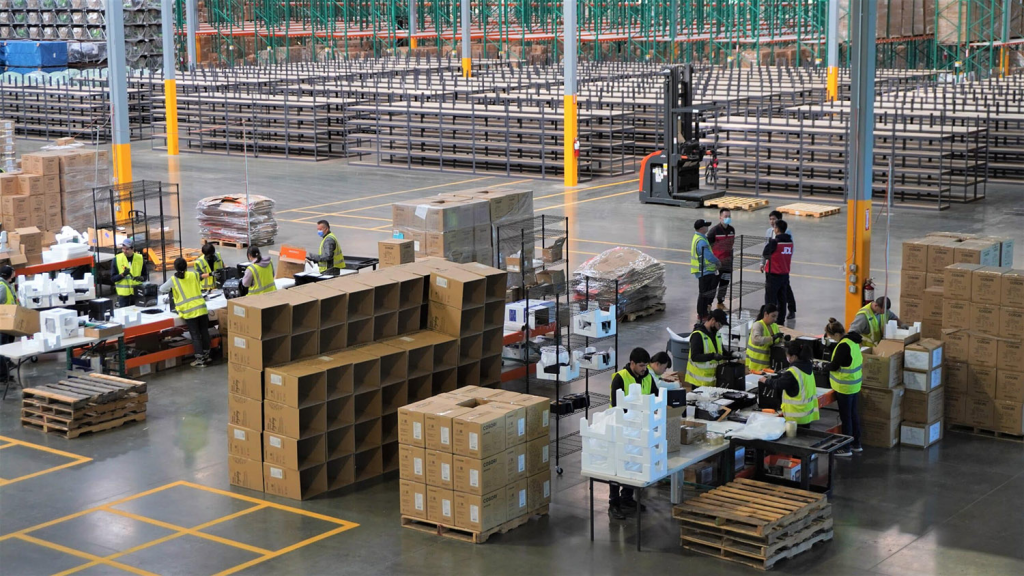
Jingdong Logistics : Digitalizing Global Supply Chains for Smarter Maritime Operations
Jingdong Logistics, the logistics subsidiary born from JD.com, has evolved from an internal delivery arm into one of the world’s largest technology-driven logistics companies. As international trade accelerates and maritime transport becomes increasingly intertwined with global e-commerce…
-
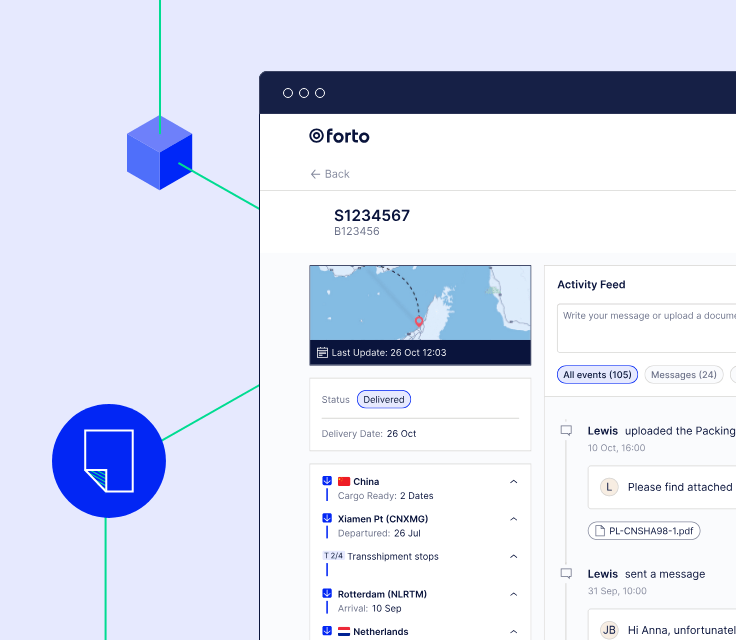
Forto is Digitizing Global Freight with AI driven Visibility
The maritime leg of global supply chains remains highly complex with multinational paperwork, variable vessel schedules, port congestion, multi-party coordination and limited real-time visibility all creating delays…
 Scorpa's Tech @ Sea