LATEST
-
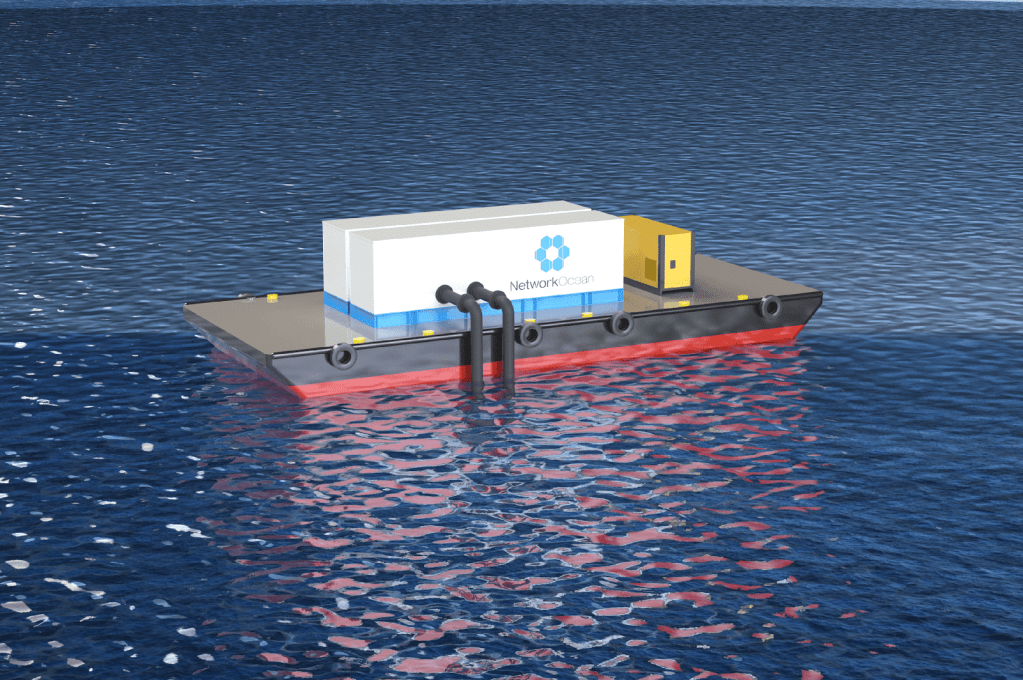
NetworkOcean: Pioneering Underwater Data Centers for Sustainable AI Infrastructure
As data demand (especially for AI) surges, traditional on-land data centers face increasing challenges: high cooling costs, land and real estate constraints, and massive water consumption. NetworkOcean’s solution taps…
-
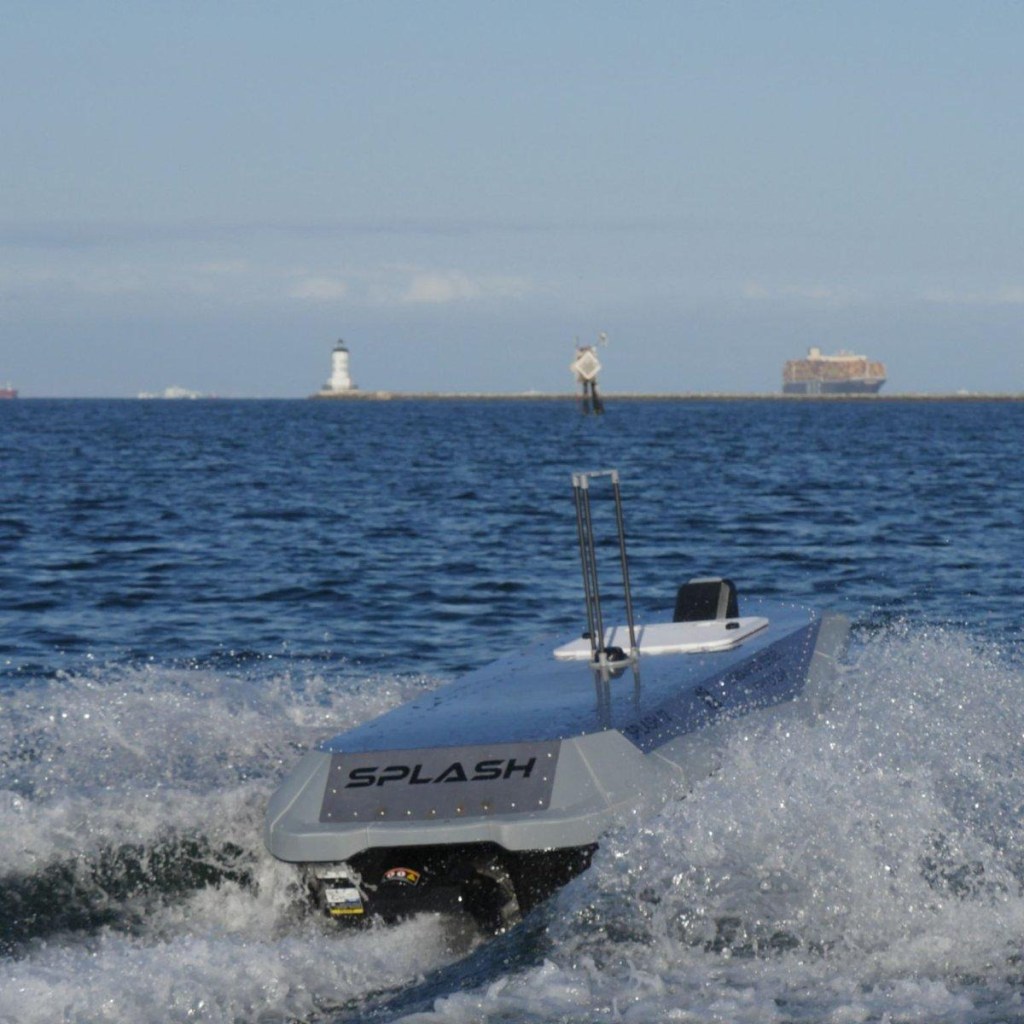
Splash Industries: Building the Navy of the Future with Autonomous Surface Vessels
Maritime threats are evolving rapidly, from illegal trafficking to asymmetric naval warfare. Traditional manned vessels are expensive, resource-intensive, and limited in scalability. Splash Industries emerged to address
-
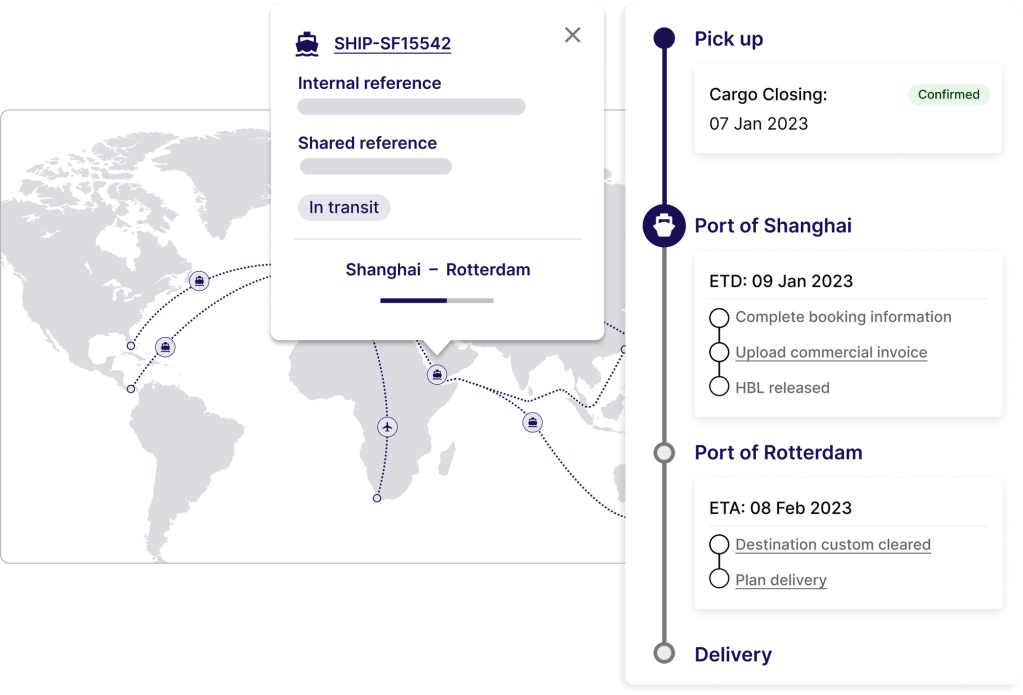
Shypple: Revolutionizing Global Trade through Digital Freight Forwarding
Source : https://www.shypple.com/ Maritime shipping accounts for the vast majority of global trade, yet it remains one of the least digitalized sectors in the world. Historically, moving a single container could involve hundreds of manual interactions spreadsheets, faxes, and endless email chains creating a logistical “black hole.” When port congestion or route diversions occur, shippers…
-

Sourcemap: Pioneering End-to-End Supply Chain Transparency
Sourcemap is a New York-based software company that offers a cloud-based platform for mapping, monitoring and managing complex global supply chains from raw materials through to finished products.
-

Albacore Inc.: Revolutionizing Undersea Defense with Autonomous Mini-Submarines
Albacore Inc., founded in 2025 and headquartered in Philadelphia, is a defense-technology startup that develops long-endurance, unmanned underwater vehicles (UUVs) designed for maritime deterrence and intelligence missions. Their flagship product, Ghostfin, is roughly
-
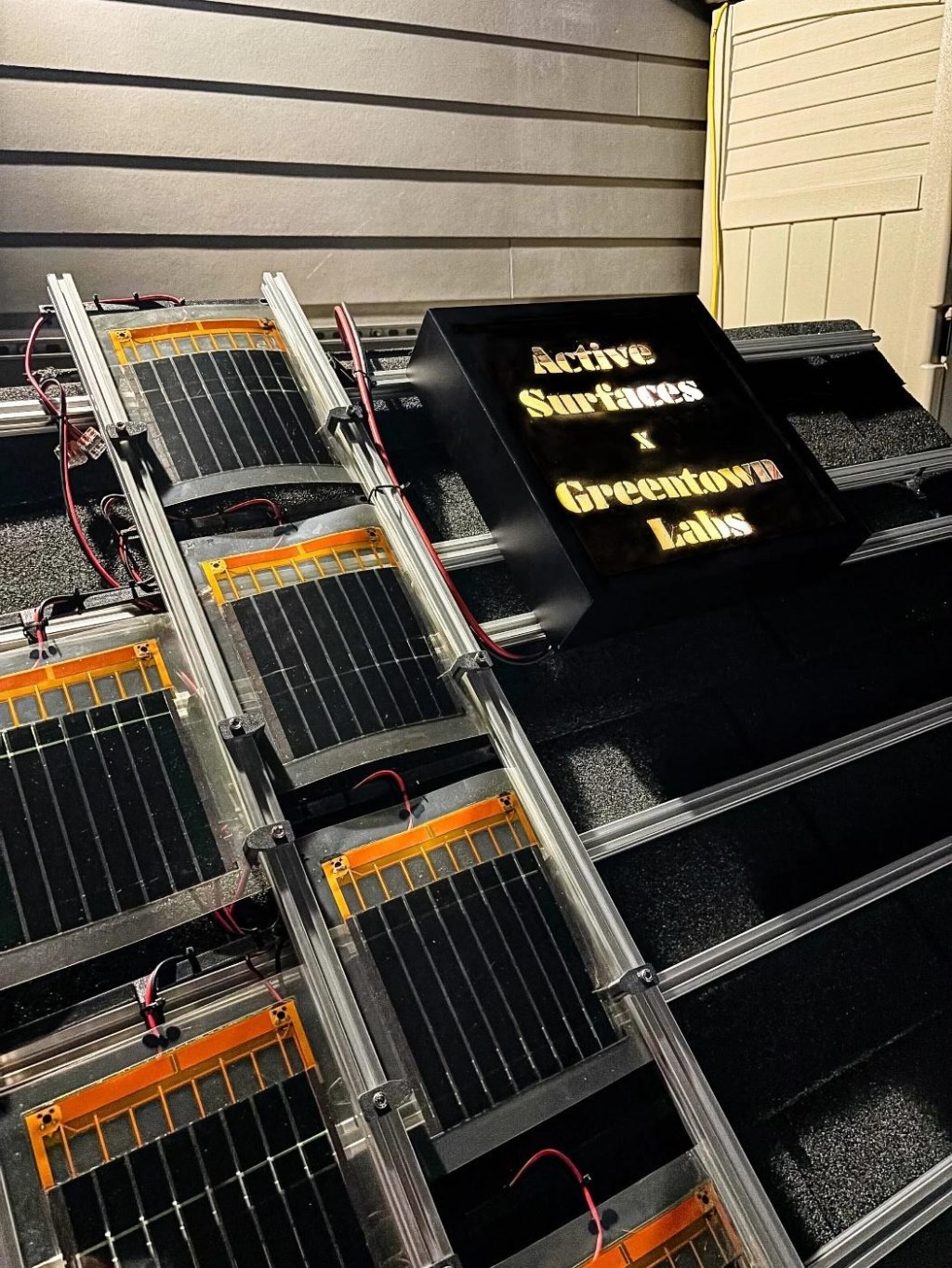
Active Surfaces: Transforming Maritime Energy Through Lightweight Flexible Solar Technology
Image Credit: activesurfaces.xyz Active Surfaces, a spinout from the Massachusetts Institute of Technology (MIT), is pioneering a revolution in solar energy deployment with its ultra lightweight, flexible photovoltaic modules designed to activate energy generation on virtually any surface. Founded by CEO Shiv Bhakta, CTO Dr. Richard Swartwout, and Chief Manufacturing Scientist Jeremiah Mwaura, the company…
 Scorpa's Tech @ Sea