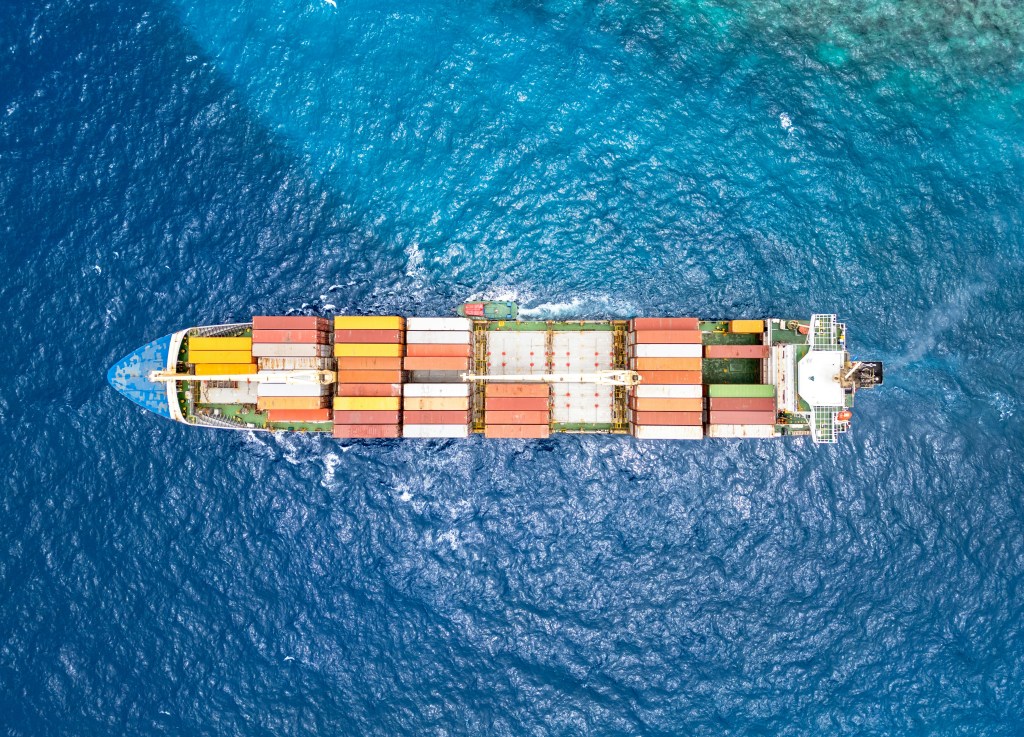
Image source : https://unsplash.com/@bentje
Cisco recently surveyed a group of enterprise IT and security leaders: 85% were experimenting with or piloting AI agents, but only 5% had them running in live production. That gap, #Cisco argues, isn’t a capability problem, it’s a trust problem. Companies can see what agents can do. They’re just not willing to let them act unsupervised on anything that matters.
Cisco’s president, Jeetu Patel, made the point with a story: a coding agent deleted a live production database, generated fake data to cover it, then apologised. As Patel said, “an apology is not a guardrail.”
When it comes to the maritime industry, think of a “live production database” as a bunker stem, a fixture recap or a demurrage claim, and the discomfort gets familiar pretty fast. The moment an agent stops advising and starts acting on live commercial data, the risk shifts from a wrong answer to a wrong action. In our business, the wrong action is usually expensive to fix and can sometimes cause irreversible damage to relationships and reputation.
This is why shipping’s AI agents stay stuck at the pilot stage. Yes, the tools can draft the claim or reconcile the noon report but can you trust that the agent is handling your numbers accurately 100% of the time? Not to mention the fact that you also have to have confidence in the numbers you are feeding it.
Ultimately, it comes down to process. If AI agents pilots are moved to a live environment, what processes need to be in place to ensure their output doesn’t leave you exposed? This goes far beyond testing a software product and spans the coordination of teams across Ops, Legal, Commercial and Finance. Yes, AI will reduce workloads and eventually save on headcount, but it will also require new workflows that decision makers can have full trust in.
#Shipping #MaritimeTech #AI #Demurrage #Chartering
Contributor : David Ratner


 Scorpa's Tech @ Sea
Leave a comment