
Image source: unitedairlinesventures.com
While its primary mission is to decarbonize the skies, United Airlines Ventures (UAV) is increasingly finding that the solutions for sustainable flight are the exact same tools needed to power the high seas. Launched in 2021, UAV is an industry-first corporate venture fund designed to identify and scale technologies that will allow United to reach net-zero by 2050 without the use of traditional carbon offsets.
By investing in high-density energy storage, carbon transformation, and hydrogen logistics, UAV is inadvertently becoming a major player in the maritime sector. The fundamental chemistry of an e-fuel or a high-capacity battery doesn’t care if it is powering a jet or a tugboat; it only cares about density, safety, and scale.
Background: Why an Airline is Investing in the Ocean
The maritime and aviation industries are often called “hard-to-abate” twins. Both require massive amounts of energy, operate in extreme environments, and face strict weight and volume constraints.
UAV’s interest in the maritime frontier stems from a strategic realization: the supply chains for Sustainable Aviation Fuel (SAF) and Sustainable Marine Fuel (SMF) are virtually identical. By backing companies that capture carbon from the ocean or develop hydrogen storage, United is building a cross-industry “Green Fuel” ecosystem that benefits the entire blue economy while securing its own future fuel supply.
Founder’s Story: The Architect of Sustainable Travel
The vision for UAV was spearheaded by Michael (Mike) Leskinen, currently the Executive Vice President and CFO of United Airlines. Leskinen, who previously led aerospace and defense investments at J.P. Morgan Asset Management, joined United in 2018 with a mandate to revolutionize how the airline manages capital and innovation.
In 2021, Leskinen launched UAV to bridge the gap between “science fiction” and commercial reality. His approach was unique: rather than just giving grants, UAV would act as a sophisticated venture capitalist, taking equity stakes in startups and providing them with United’s massive operational expertise to stress-test their hardware. Under his leadership, UAV has grown from a sustainability initiative into a multi-vertical fund managing hundreds of millions of dollars in capital.
The Portfolio: Engineering the Cross-Industry Pivot
UAV’s portfolio is a roster of deep-tech companies whose applications are as relevant to a port director as they are to a flight dispatcher. Key holdings include:
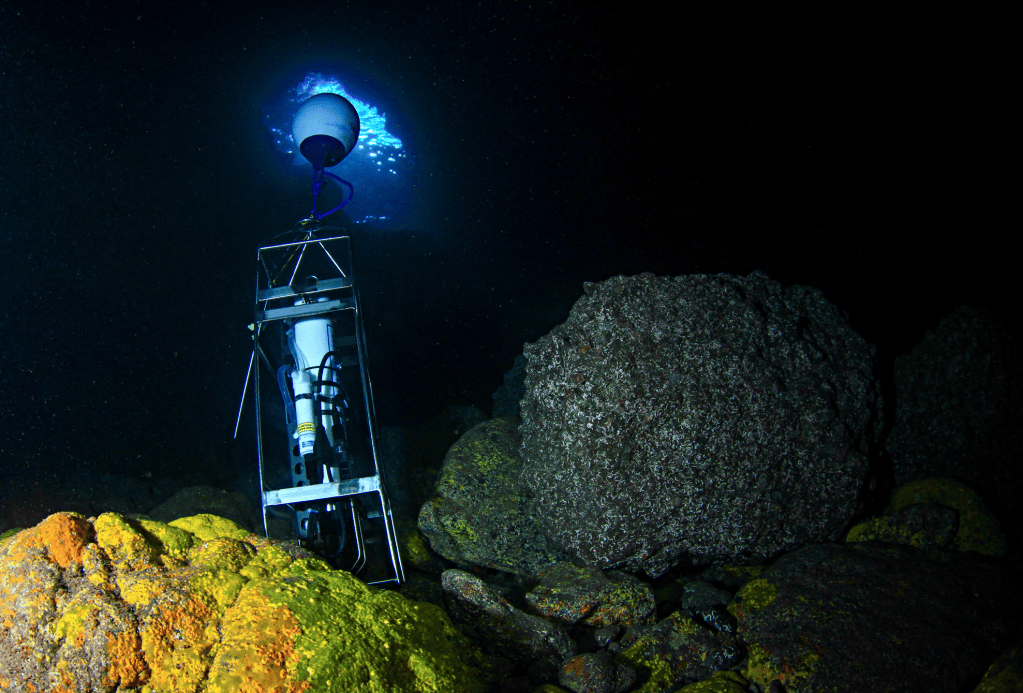
- Ocean Carbon Capture: Banyu Carbon (capturing CO2 directly from ocean water using photoacid technology).
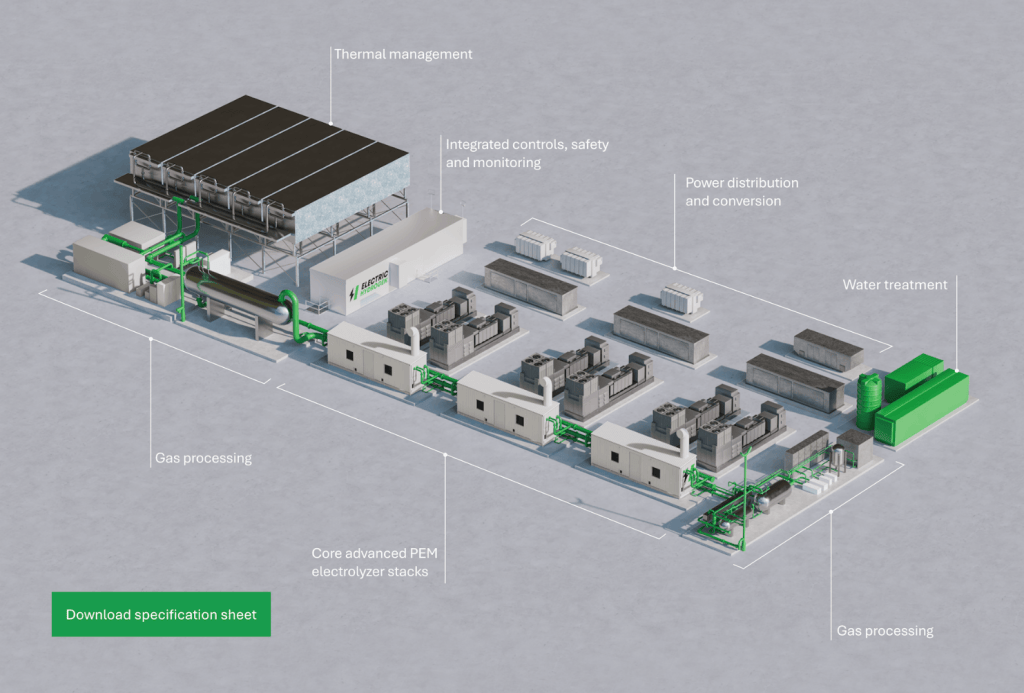
- Hydrogen Logistics: Verne (developing high-density cryo-compressed hydrogen storage) and Electric Hydrogen (industrial-scale PEM electrolyzers).
- Carbon Transformation: Twelve (turning captured CO2 into e-fuels) and Svante (industrial-scale carbon capture filters).
- Energy Storage: EP Systems (high-performance battery management) and Natron Energy (sodium-ion batteries).
Maritime Application: The Bridge Between Sectors
For the maritime sector, UAV’s investments serve as a high-velocity catalyst for three primary applications:
- Bunker Fuel Alternatives: The e-fuels developed by Twelve and Dimensional Energy are “drop-in” replacements for marine gas oil. These fuels allow long-haul shipping vessels to decarbonize without replacing their multi-million dollar engines.
- Green Port Infrastructure: Electric Hydrogen and Verne provide the necessary hardware to turn ports into hydrogen refueling hubs, powering everything from drayage trucks to shore-side electricity.
- Blue Carbon Removal: By backing Banyu Carbon, UAV is supporting technology that can be integrated into maritime vessels or coastal facilities to actively remove carbon from the seas, addressing ocean acidification while producing the carbon feedstock for synthetic fuels.
Final Thought: Unified Innovation for a Fluid Future
United Airlines Ventures is proving that the transition to a zero-emission world is a collective effort across all modes of transport. By focusing on the molecular level of hydrogen and carbon, Mike Leskinen and his team are dismantling the silos between aerospace and maritime engineering.
In the race to 2050, the “blue” and “green” economies are merging. For United, an investment in a cleaner ocean isn’t just a sustainability win; it’s a strategic hedge that ensures the fuels and energy systems of tomorrow are robust enough to power anything that moves, whether it has wings or a keel.
References
Echandia Group. (2026, March 12). Echandia launches the next generation of Echandia Ultra. PR Newswire. https://www.prnewswire.com/news-releases/echandia-launches-the-next-generation-of-echandia-ultra-302712329.html
Maritime Standard. (2026, January 15). Echandia to deliver battery system for India’s first electric tug. The Maritime Standard. https://www.themaritimestandard.com/echandia-to-deliver-battery-system-for-indias-first-fully-electric-tugboat/
S2G Investments. (2026, February 26). Echandia: Building batteries for the realities of the sea. S2G Insights. https://www.s2ginvestments.com/insights/article-echandia-spotlight
United Airlines Holdings, Inc. (2026). Michael (Mike) Leskinen – Management Biography. https://ir.united.com/management/michael-mike-leskinen/
United Airlines Ventures. (2026). About United Airlines Ventures: Portfolio and Decarbonization Strategy. https://www.unitedairlinesventures.com/about

 Scorpa's Tech @ Sea
Leave a comment